


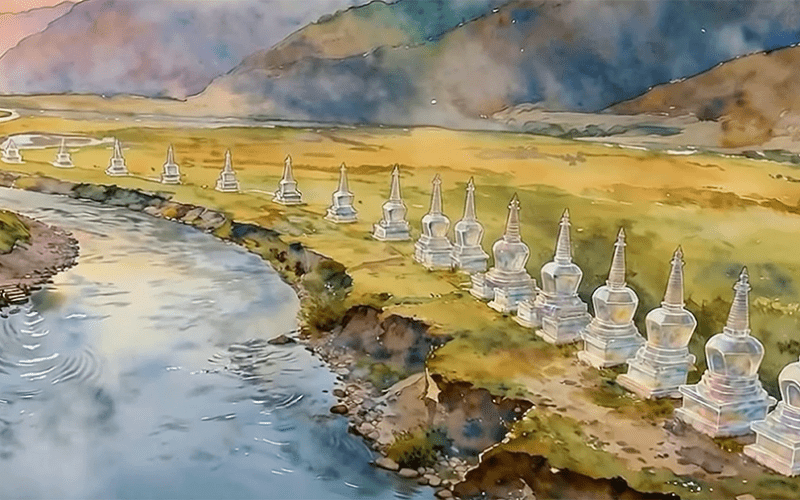
As preparations intensify for the construction of 108 Jangchub Chortens scheduled for November 1 at GMC, the Central Monastic Body is extending an invitation to the public to contribute sacred relics that will be enshrined within the stupas.
The initiative offers citizens a unique opportunity to become part of a landmark spiritual project initiated by His Majesty The King. While the towering chortens will stand as visible symbols of peace and compassion, religious authorities emphasize that their true spiritual significance lies in the sacred contents housed within them.
Known as zung, these inner relics comprise sacred scriptures, mantras, and other symbolic religious items traditionally placed inside stupas, statues, and amulet boxes. In Buddhist belief, a stupa attains its spiritual potency only after such relics are enshrined within it.
According to the Central Monastic Body, zung serve as the life force of a sacred object, transforming it from a physical structure into a source of blessings and spiritual inspiration.
Laytshog Lopen Sangay Dorji said the preparation of the inner relics is already underway. “There is a longstanding tradition of enshrining sacred relics, including the Yeshey Sempa,” he said. “For the 108 Project, we are preparing 108 Yeshey Sempas and 108 sets of relics to be placed inside the chortens, further enhancing their sacred and spiritual significance.”
The responsibility for preparing the relics has been entrusted to the Zung ghi Lopens, while the consecration process will be carried out by the Drupdhey Lopens.
To facilitate public participation, the Central Monastic Body plans to establish a dedicated mechanism for collecting suitable relics and sacred offerings from individuals and families. Detailed guidelines on the types of relics that may be offered and the process for submission will be announced in the coming weeks.
Laytshog Lopen noted that the initiative could be especially meaningful for families wishing to dedicate prayers to departed loved ones. Family heirlooms and sacred objects offered as acts of devotion may be considered for enshrinement, subject to guidance from the project team.
The 108 Jangchub Chortens project is expected to become one of the country’s most significant religious undertakings in recent years. Beyond the construction of the monuments themselves, the opportunity to contribute sacred relics allows the public to play a direct role in creating enduring symbols of faith, peace, and compassion that will benefit future generations.


