


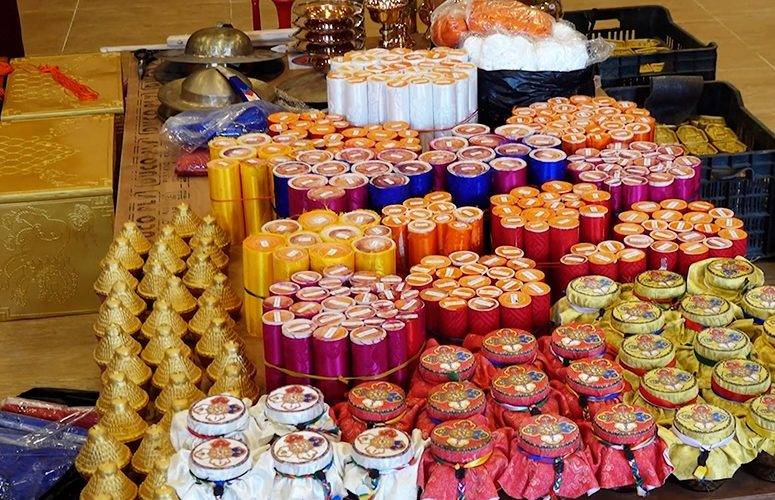
As construction progresses on the ambitious Project 108 along the banks of the Mao River in Gelephu Mindfulness City, attention has turned from laying foundations to preparing the spiritual core of the sacred structures that will soon rise across the landscape.
Following the recent ground-breaking ceremony that blessed the sites of the 108 planned Jangchub Chortens, a team of dedicated Buddhist scholars and practitioners has commenced the intricate process of preparing zung—the consecrated relics placed inside stupas and regarded as their spiritual essence.
The work is currently underway at Sarpang Dzong, where 20 Zung Lopens from different parts of the country have gathered to undertake the painstaking task. Their first responsibility involves manually rolling sacred scriptures and mantras into tightly wound bundles, an age-old practice requiring exceptional care, concentration and devotion.
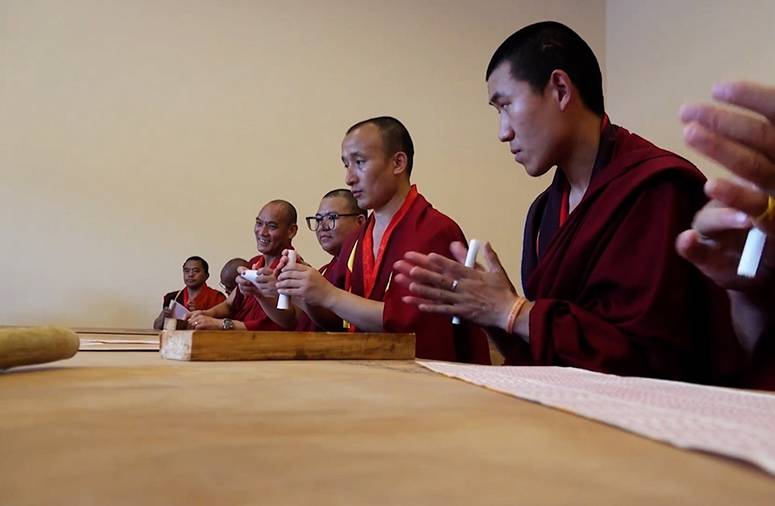
While stupas are often recognised for their striking architectural features, Buddhist tradition places greater emphasis on the sacred objects concealed within them. These relics are believed to embody profound spiritual significance and serve as the source of a stupa’s sanctity.
According to Laytshog Lopen Sangay Dorji, the inner contents of a stupa hold deeper importance than its physical appearance. He explained that the zung contains numerous sacred elements representing the body, speech and mind of enlightened masters, all prepared according to centuries-old religious traditions.
One of the most important components is the Sokshing, a specially crafted wooden pole positioned at the centre of the stupa. Considered its spiritual backbone, the pole serves as the central axis around which relics are arranged, symbolising strength, balance and continuity.
In a move to encourage public participation, the Central Monastic Body has invited people across the country to contribute items that may be incorporated into the zung. Traditional implements such as farming tools—including axes, hoes and ploughs—as well as ritual objects like Nga Dung and Jaling, are among the items being accepted.
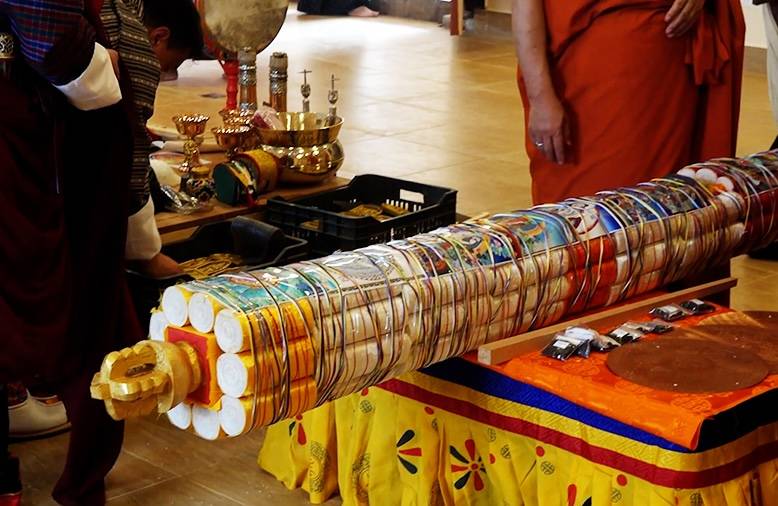
Laytshog Lopen Sangay Dorji said preparations are ongoing and that contributions from individuals and communities are welcomed. Those wishing to participate may coordinate through district Lam Netens, Drungchens of Dratshangs and Rabdeys, or the Zhung Dratshang office in Thimphu. Further guidance on the contribution process is expected to be announced in the coming weeks.
The preparation of the zung marks another important milestone in Project 108, underscoring the spiritual foundations upon which the initiative is being built. While relics are being assembled by hand inside the dzong, support for the broader project continues to grow rapidly.
Fundraising efforts launched less than two months ago have already secured enough support to finance approximately 88 of the planned stupas. Contributions from within Bhutan have reached nearly Nu 850 million, while donors overseas have pledged an additional USD 8.5 million.
As artisans, monks and volunteers continue their work, the vision of a sacred corridor stretching along the Mao River is gradually becoming a reality—shaped not only by construction and investment, but also by faith, tradition and collective devotion.


