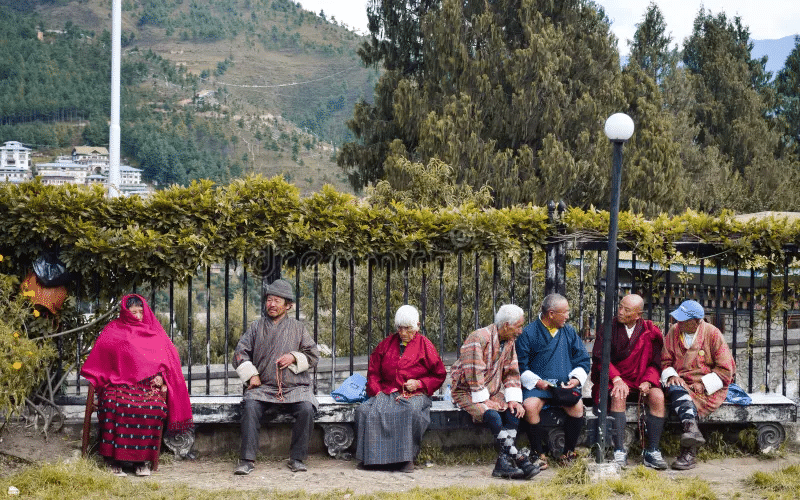
Bhutan is considering further changes to its retirement policies as the country prepares for a significant demographic transition marked by declining birth rates and a growing elderly population. The government is examining measures to extend working lives and create employment opportunities for senior citizens to safeguard economic productivity.
Prime Minister Tshering Tobgay outlined the government’s concerns during a National Council session on Wednesday, warning that demographic changes could gradually reduce the working-age population and place increasing pressure on public finances.
The proposed measures include reviewing existing retirement age limits and developing opportunities for retired individuals to re-enter employment through skills development and vocational training.
Currently, Bhutanese civil servants retire between the ages of 57 and 63, depending on their professional category. The government intends to consult the Royal Civil Service Commission (RCSC) and Druk Holding and Investments (DHI) on possible revisions to these arrangements.
The Prime Minister indicated that experienced workers could continue contributing to the economy beyond their conventional retirement years if appropriate employment pathways and training programmes were established.
Bhutan’s demographic outlook has become an increasingly important policy concern. The country is projected to enter the category of an ageing society within the next few years, when people aged 65 and above will account for more than seven per cent of its population.
By 2047, Bhutan is expected to transition into an aged society, reflecting a further increase in the proportion of elderly citizens.
Such changes could have substantial economic implications. A shrinking workforce would mean fewer income earners contributing taxes, potentially limiting government revenue while increasing expenditure requirements for healthcare, pensions and social welfare.
Extending workforce participation among older citizens could help address some of these pressures by retaining experienced professionals and reducing the economic burden associated with population ageing.
However, successful implementation would require policies that accommodate the health, skills and employment needs of senior citizens while maintaining opportunities for younger workers.
The government has also reaffirmed its commitment to existing welfare programmes supporting elderly Bhutanese citizens.
Meanwhile, authorities are developing a National Sustainable Development Policy intended to address long-term national priorities, including demographic changes and economic sustainability.
The proposed retirement reforms reflect Bhutan’s efforts to prepare for an ageing society before demographic pressures intensify.
As policymakers examine the available options, balancing employment opportunities, retirement security and economic growth will remain central to ensuring that Bhutan’s changing population structure does not undermine its future development prospects.