


As healthcare costs continue to rise and external funding declines, improving the efficiency of health spending has emerged as a critical priority for Bhutan’s healthcare system.
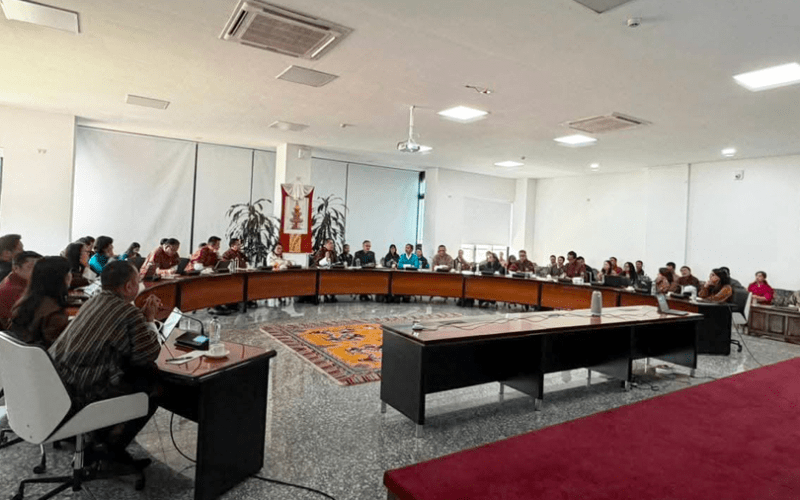
The issue was highlighted during a high-level discussion held in the capital on Thursday, where the Ministry of Health, in collaboration with the World Bank, brought together representatives from various agencies to examine ways of making better use of available health resources.
The dialogue comes at a time when Bhutan’s health expenditure has grown significantly. According to the latest National Health Accounts, spending on health increased sixfold between 2021 and 2025, underscoring the need to ensure that resources are being used effectively.
Global studies indicate that inefficiencies remain a major challenge in healthcare systems worldwide. The World Health Organisation estimates that between 20 and 40 percent of health expenditure is lost due to inefficiencies such as unnecessary medical services, high-cost procurement practices, and weaknesses in system management.
World Bank health specialists noted that inefficient use of hospital resources is one area that warrants closer attention. Patients staying longer than medically necessary in hospitals can place additional pressure on beds, staff, and other resources, limiting the system’s ability to serve those who need care most.
Experts also stressed the importance of improving how health resources are distributed across the country. They suggested reviewing staffing patterns and ensuring that healthcare facilities have the right mix and number of personnel based on local needs. Strategic allocation of resources, they said, could help maximise the impact of existing investments.
Another area identified for improvement is the procurement of medicines and medical supplies. Strategic purchasing practices could help reduce costs while ensuring continued access to essential health services.
Preventive healthcare was also highlighted as a long-term solution. Increased investment in programmes targeting non-communicable diseases could reduce the future burden of expensive treatments and improve overall population health.
Officials from the Ministry of Health acknowledged that several of the recommendations could be introduced gradually. However, they emphasised that meaningful reforms in health financing will require cooperation beyond the health sector.
According to the ministry, improving the sustainability of healthcare financing is a shared responsibility involving multiple government agencies and stakeholders rather than the health ministry alone.
The challenge has become more pressing as support from development partners has steadily declined. Although the government continues to be the primary source of health financing, reports indicate that donor contributions have fallen by roughly half over the years.
With healthcare demands growing and external assistance shrinking, experts warn that enhancing efficiency in the use of health resources will be essential to maintaining quality healthcare services and ensuring the long-term sustainability of Bhutan’s health system.


