

For years, waste has been one of Phuentshogling’s most stubborn urban problems. Rapid growth, rising consumption, and limited landfill space have left the border town grappling with what to do with the mountains of garbage generated each day. Now, a new recycling initiative is beginning to reshape that narrative—turning what was once considered worthless trash into valuable resources.
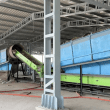
At the heart of this transformation is a pilot recycling plant where garbage trucks no longer head straight to the landfill. Instead, they first arrive at the facility, where a private waste management company has been tasked with sorting and processing the town’s refuse. Inside the plant, teams of workers separate plastics, glass, and other recyclables from general waste, marking a significant shift in how Phuentshogling manages its garbage.
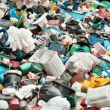
Plastics, which make up a large share of the town’s waste, are the primary focus. After being washed and cleaned, plastic materials are shredded into small flakes and dried. These flakes are then melted and moulded into plastic pellets—raw materials that can be used to manufacture a range of everyday products. From paver blocks and construction bricks to garden hoses, tarpaulins, and PVC pipes, items once destined for burial are finding new life as locally made goods.
Even broken vehicle windshields and discarded glass are being reused. Crushed and mixed into construction materials, they become part of durable paver blocks and other products, reducing the need for virgin raw materials.
The overarching objective of the project is to drastically cut down the amount of waste, especially plastic, entering the landfill. Land for new dumping sites is scarce, and expanding existing landfills is both costly and environmentally risky. By diverting plastics and recyclables, the town hopes to extend the lifespan of its current landfill while building a more sustainable waste management system.
Another benefit is the strengthening of local manufacturing. Previously, recyclable materials were often sold outside the country. Now, they are processed and converted within Phuentshogling, keeping value and employment opportunities at home.
Not all waste ends up in machines. Organic or wet waste is being converted into manure, providing a useful by-product for agriculture and gardening. However, workers at the facility say one major obstacle remains: poor waste segregation at the household and commercial level. When wet and dry waste are mixed together, sorting becomes more difficult, slows down operations, and creates unpleasant working conditions.
Despite these challenges, early results are encouraging. In the past week alone, 20 truckloads of garbage were brought to the facility, and only one truckload ultimately went to the landfill. The rest was recycled or processed into usable materials.
Town officials and project partners say such progress shows what is possible when innovation meets community participation. With consistent public cooperation—especially better separation of waste at source—the initiative could become a cornerstone of Phuentshogling’s environmental future.
What began as a struggle to manage trash is steadily becoming a model for turning waste into opportunity. If the momentum continues, Phuentshogling may soon be known not just as a bustling border town, but as a leader in practical, homegrown solutions for a cleaner and more sustainable Bhutan.


