


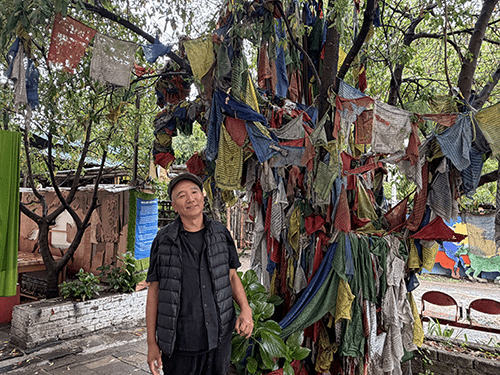
In Bhutan, prayer flags are more than colorful cloth fluttering against mountain skies. They are symbols of faith, compassion, and the interconnectedness of all life. For generations, Lungta—the “wind horse” prayer flags—have carried prayers across valleys, forests, and mountain passes, embodying a spiritual tradition rooted in mindfulness. Yet today, a quiet contradiction has emerged: a practice intended to spread blessings is increasingly leaving behind environmental harm.
This is why VAST Bhutan’s Lungta Art Festival deserves attention—not merely as an artistic initiative, but as a timely call to restore mindfulness to one of Bhutan’s most cherished traditions.
The issue is not with the practice of hoisting prayer flags itself. Rather, it is with how modern commercialization has transformed the materials used. Traditional prayer flags were made from cotton and printed through the ancient xylographic block-printing method. They were designed to fade naturally in the elements, symbolizing the impermanence of life and the gradual dispersal of blessings into the world.
Today, however, many prayer flags available in the market are made from polyester, a plastic-based material. Their strings are often manufactured from highly durable synthetic fibers that can remain in the environment for years. As these flags weather and deteriorate, they leave behind plastic waste. Worse, the strong synthetic cords can constrict growing trees, stunting branches and damaging fragile ecosystems.
The irony is difficult to ignore. A spiritual act intended to generate merit and goodwill can unintentionally contribute to environmental degradation. This contradiction is particularly significant in Bhutan, a nation that has long positioned itself as a global advocate for environmental conservation and mindful living.
VAST Bhutan’s response is both creative and profound. Rather than criticizing religious practice, the organization is encouraging reflection. Through exhibitions, workshops, public discussions, and community engagement, the year-long Lungta Art Festival asks a simple but powerful question: Are we practicing mindfulness in the very traditions that teach mindfulness?
The answer requires more than nostalgia for the past. It calls for action. VAST’s efforts to revive awareness of authentic cotton prayer flags and traditional xylographic printing are not merely acts of cultural preservation. They are reminders that sustainability and spirituality have historically gone hand in hand.
Equally important is the festival’s commitment to innovation. By collecting discarded prayer flags and exploring ways to recycle them into biodegradable products, VAST is demonstrating that tradition and modern environmental stewardship can coexist. Such initiatives show how cultural practices can evolve responsibly without losing their essence.
The symbolism of the festival’s three themes—Unveil, Untangle, and Unleash—is particularly apt. First, society must unveil the hidden consequences of synthetic prayer flags. Then it must untangle the environmental and cultural challenges created by modern materials. Finally, it can unleash new possibilities that honor both faith and nature.
This conversation extends beyond prayer flags. It speaks to a broader challenge facing societies worldwide: how to preserve cultural traditions in an age of mass production and convenience. Too often, modern substitutes appear harmless until their cumulative impact becomes visible. Mindfulness, therefore, must extend beyond intention to include awareness of consequences.
Bhutan’s development philosophy has always emphasized balance—between progress and preservation, material needs and spiritual values. The Lungta Art Festival embodies that philosophy. It reminds us that genuine mindfulness is not confined to meditation halls or religious rituals. It is expressed through everyday choices, including the materials we use and the impact we leave behind.
As Bhutan advances ambitious initiatives such as the Gelephu Mindfulness City, the message from VAST Bhutan is especially relevant. A nation celebrated for its commitment to harmony and sustainability must ensure that its practices reflect those ideals in both spirit and substance.
The wind will continue to carry prayers across Bhutan’s mountains. The question is whether those prayers will be accompanied by the mindfulness they were always meant to represent. VAST Bhutan’s movement offers an inspiring answer: true devotion lies not only in raising prayer flags, but in ensuring that the blessings they carry extend to the earth itself.


