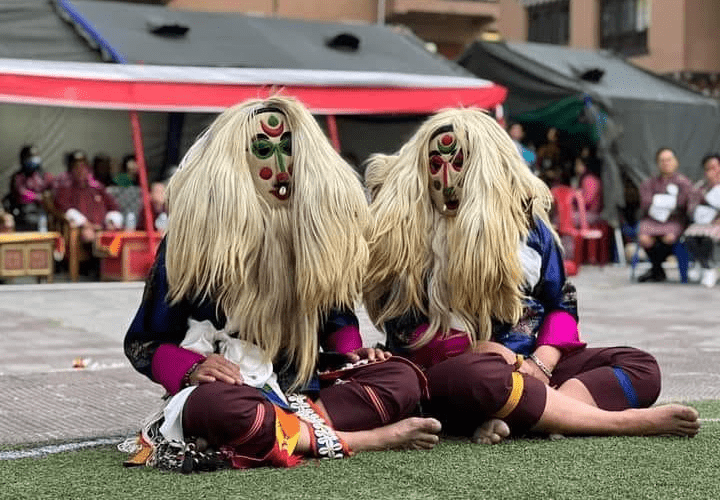
In the quiet mountain villages of Bhutan, the rhythmic echo of drums and the vibrant swirl of masked dancers have long been at the heart of community life. These traditional performances, known as chham, are more than just spectacles—they are sacred rituals deeply tied to Bhutan’s spiritual heritage. Today, however, this centuries-old tradition is facing an uncertain future.
Across the country, rural communities are shrinking as younger generations migrate to urban centers in search of education and employment. What remains are aging populations, many of whom can no longer sustain the physically demanding performances required during religious festivals such as tshechus. The result is a growing shortage of performers, placing immense strain on the continuation of these cultural practices.
For elders like Ugyen Dorji and Tshering Dorji, the absence of youth participation is particularly troubling. “These dances are not merely performances—they are offerings, acts of devotion,” one community member shared. Without new generations to carry forward the knowledge, the dances risk losing both their authenticity and their meaning.
The impact extends beyond the stage. Mask dances have traditionally served as a unifying force, bringing entire villages together in preparation and celebration. As participation dwindles, so too does the sense of communal identity that these events foster.
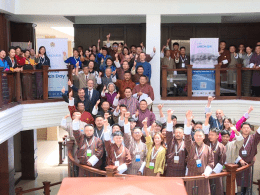
Yet, amid these challenges, there are signs of hope. In villages like Momring, residents are taking proactive steps to revive their traditions. Community leaders such as Tashi Phuntsho and Langa Tshering have begun organizing training sessions for young people, teaching them the intricate movements and spiritual significance of chham. Their efforts reflect a growing recognition that preserving culture requires both adaptation and commitment.
The Bhutanese government has also stepped in, launching initiatives aimed at safeguarding intangible cultural heritage. Training programs, financial support, and awareness campaigns are being introduced to encourage youth participation and ensure that traditional knowledge is passed on.
Figures like Tempa, a local cultural advocate, emphasize that the responsibility cannot rest solely with institutions. “Communities must take ownership,” he noted. “If we value these traditions, we must actively preserve them.”
The future of Bhutan’s mask dances now hangs in a delicate balance. While modernization continues to reshape the country, the survival of chham will depend on a collective effort—one that bridges generations, strengthens community bonds, and reaffirms the cultural and spiritual significance of these timeless rituals.
As the drums continue to sound in the highland valleys, they carry with them not just echoes of the past, but a call to protect a living heritage before it fades away.