A quiet shift is underway in Bhutan’s health landscape, where centuries-old healing practices are finding renewed relevance. As more citizens seek out traditional medicine, the government has begun a wide-ranging effort to strengthen the system that has long sat at the crossroads of Bhutanese culture and healthcare.
The Ministry of Health has unveiled a national strategy designed to modernise traditional medicine services without eroding the heritage that defines them. At the heart of the reforms is the newly upgraded National Centre for Traditional Medicine Services, elevated from a small division into a full-fledged centre with expanded responsibilities. Its staff will grow fivefold, from five to 25 members, reflecting the scale of the government’s ambitions.
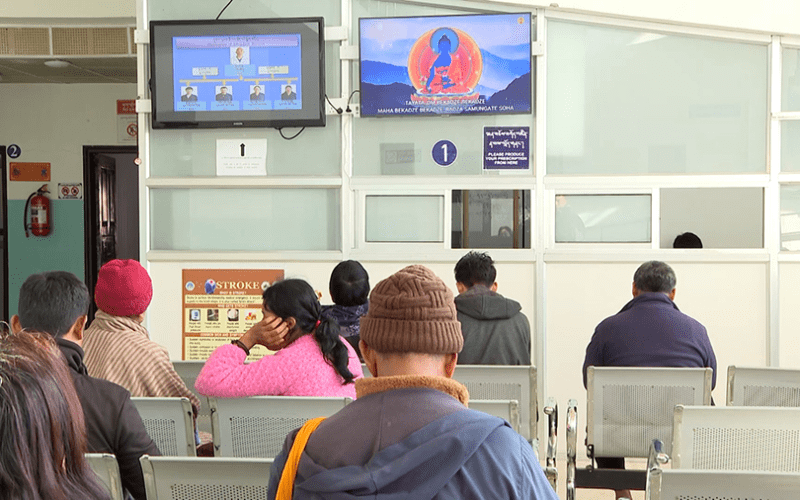
Demand offers a clear explanation for this expansion. The traditional medicine hospital in Kawajangsa alone treats around 400 patients a day. Many come seeking relief for bone and joint problems, neurological conditions, sinus issues, and digestive ailments. Across the country, more than 200,000 people turned to traditional medicine last year—nearly a quarter of all patients nationwide—yet just 11 Dungtshos are currently serving this vast caseload.
The new National Traditional Medicine Strategy and Action Plan aims to bridge this gap. Its provisions stretch from upgrading ageing facilities to training more traditional doctors and bolstering professional capacity. Research, public awareness programmes, and community efforts to protect threatened medicinal herbs are also central components.
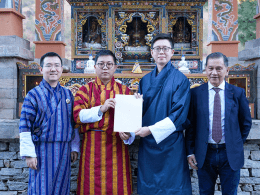
Kencho Wangdi, the officiating head of the newly inaugurated centre, described the reform as a long-needed step toward coordination and efficiency. Departments that once worked in isolation will now operate under a single umbrella. “When discussions happen together, the centre will be able to make better progress,” he said. He added that enhancing domestic production of traditional medicines will reduce reliance on imports while improving the quality and speed of patient care.
Beyond healthcare delivery, the strategy gestures toward broader national goals. Officials expect the reforms to nurture wellness-focused tourism, open doors for entrepreneurs, and promote sustainable use of Bhutan’s rich herbal resources.
Supporting this vision is a Nu 44-million grant from the Bhutan Foundation, funding that will help carry the strategy from policy to practice. The next phase, ministry officials say, will emphasise implementation: upgrading facilities, expanding the workforce, and collaborating with partners at home and abroad to realise a stronger, more resilient traditional medicine system.
As modern pressures reshape the nation’s health needs, Bhutan is betting that its ancient knowledge—reinforced with coordinated investment and planning—can continue to serve its people well into the future.