


A new agriculture-based tourism initiative is taking shape in the Yomdi area of Bartsham Gewog, marking a significant step toward promoting rural livelihoods and sustainable travel experiences in Trashigang. The project, the first of its kind in the district, aims to blend farming, local culture and tourism while revitalising land that had remained unused for more than two decades.
The 16-acre site was abandoned after floods destroyed its irrigation channel years ago, leaving the fields fallow and unproductive. It was only after farm roads were extended to the area about six years ago that residents began efforts to restore cultivation. With renewed access and community commitment, the district has now designated the site as an agri-tourism destination, inviting visitors to explore traditional farming practices and village life beyond conventional travel routes.
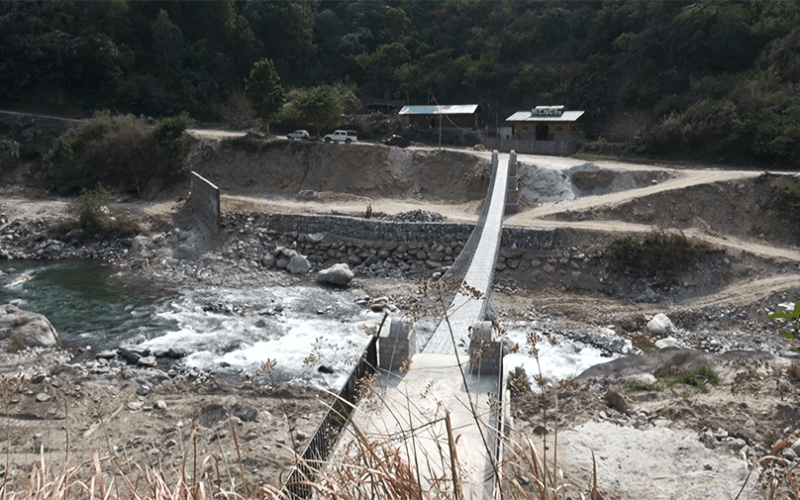
Officials say the initial phase focused on making the land safe and accessible. Flood mitigation measures were completed, including the construction of a protective boulder wall along the riverbank. A bridge linking the area to the Rangjung–Trashigang road has also improved connectivity, opening new opportunities for both farmers and potential tourists.
Ten households are currently working the reclaimed fields, preparing farmland and installing chain-link fencing to protect crops from wildlife. Farmers have resumed paddy cultivation while exploring ways to diversify production through fruit orchards and high-value crops.
Local resident Rinzin Norbu said farmers are discussing plans to expand beyond rice farming. According to him, the community is considering planting fruit trees alongside crops such as sugarcane and banana to increase income and improve overall farm productivity.
Another resident, Dorji Gyeltshen, noted that fencing support has made a significant difference. He said farmers now feel more secure about harvesting what they grow and are motivated to work harder. With the prospect of visitors arriving, families are also investing time in improving their homes and enhancing the landscape with more fruit trees.
The first phase of development was funded with an investment of about Nu 7.5 million, supported by the European Union, while the Trashigang district administration oversees implementation.
Plans for the second phase aim to transform the site into a welcoming destination for travellers seeking authentic rural experiences. Proposed improvements include the construction of eco-lodges, installation of solar-powered streetlights, upgrades to irrigation systems and the development of basic facilities to support visitors.
Local leaders believe the project could provide a model for combining agriculture and tourism while encouraging young people to remain connected to farming. By showcasing traditional lifestyles and creating new income streams, the Yomdi agri-tourism initiative is expected to bring renewed energy to the community and highlight the potential of rural destinations that have long remained off the mainstream tourism map.


