


In Bhutan, the Himalaya are not merely a backdrop—they are a presence that shapes every aspect of life. Towering, remote, and largely untouched, they offer one of the last true wilderness experiences in the world. For those willing to venture beyond the valleys, trekking here becomes less an activity and more a journey into scale, solitude, and stillness.
Bhutan’s trekking routes are as varied as its landscapes. The Druk Path Trek, one of the most accessible, connects Paro to Thimphu over a series of ridgelines dotted with alpine lakes and ancient monasteries. It offers a gentle introduction to the country’s terrain, combining cultural encounters with sweeping mountain views. Further north, the Jomolhari Trek leads travellers closer to the sacred peak of Mount Jomolhari, weaving through yak herder settlements and high-altitude meadows where prayer flags flicker in the wind.
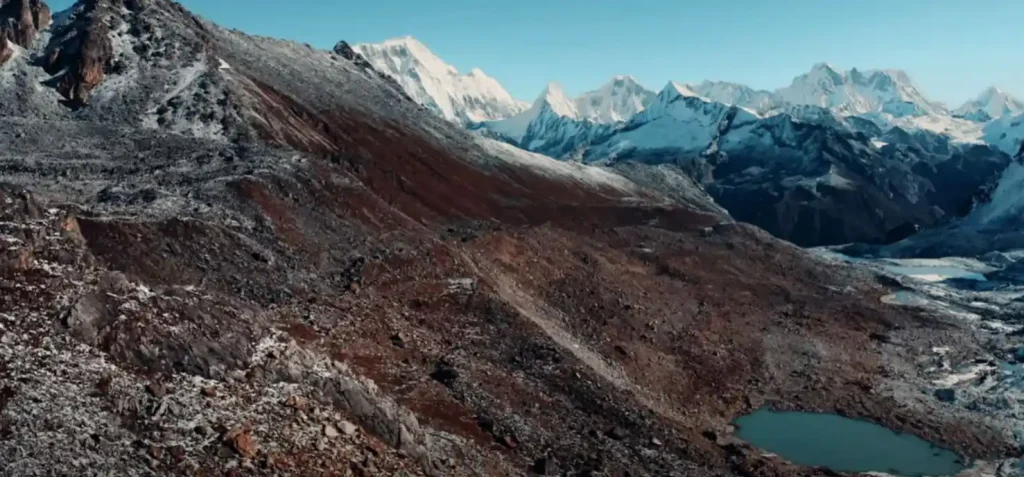
Yet it is the Snowman Trek that defines Bhutan’s reputation among serious trekkers. Widely regarded as one of the toughest treks in the world, it traverses a remote arc of the eastern Himalaya, crossing multiple high passes—many above 5,000 metres—and stretching over nearly a month. The journey threads through isolated regions such as Laya and Lunana, where communities remain largely untouched by modernity. Here, the sense of remoteness is absolute, the landscape vast and unyielding.
The trek begins in dense forests, where rhododendrons bloom in bursts of colour and the air carries the scent of damp earth and pine. Trails wind upward gradually, following ancient pathways once used by traders and herders. As altitude increases, the terrain shifts dramatically. Forests give way to alpine meadows, then to stark, wind-swept passes where the horizon seems endless and the sky feels impossibly close.
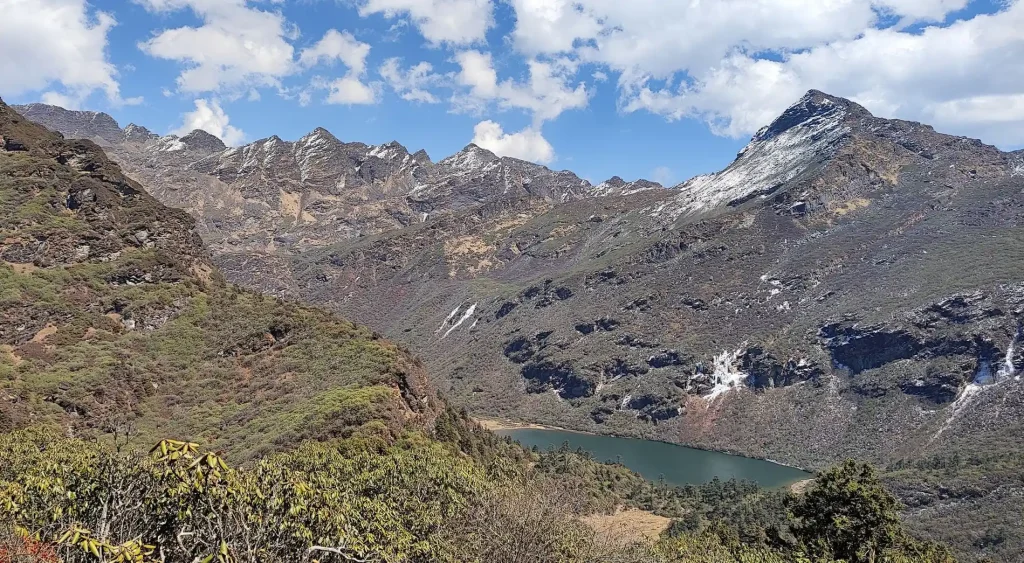
Silence defines the experience. Days may pass with little more than the sound of wind, distant streams, or the crunch of boots on gravel. It is a solitude that feels both humbling and restorative, offering a rare escape from the noise of modern life.
Encounters along the way are few but deeply meaningful. In villages like Laya, with its distinctive conical hats, and Lunana, one of the most remote inhabited regions in Bhutan, communities live in close harmony with their environment. Visitors are welcomed with quiet warmth—a bowl of hot soup, a place by the hearth, a fleeting yet profound connection.
The region’s biodiversity adds another layer of wonder. The elusive snow leopard inhabits these mountains, rarely seen but ever-present, while blue sheep graze on distant slopes and birds of prey circle overhead. The ecosystem is fragile, intricate, and remarkably intact.
Bhutan’s strict conservation policies ensure that these landscapes remain protected. Tourism is carefully managed, allowing trekkers to experience the wilderness without overwhelming it. In this way, each visitor becomes a temporary custodian of a place that has endured, largely unchanged, for generations.
The physical demands are considerable. High altitudes test endurance, and weather conditions can shift without warning. Yet the rewards are profound. Standing atop a mountain pass, surrounded by peaks that stretch endlessly into the horizon, there is a sense of perspective that transcends the physical challenge.
In Bhutan, trekking is not about conquest. It is about immersion—into nature, into silence, into a rhythm that feels older than time itself. Here, the Himalaya do not simply stand; they breathe, and for a fleeting moment, the traveller breathes with them.


