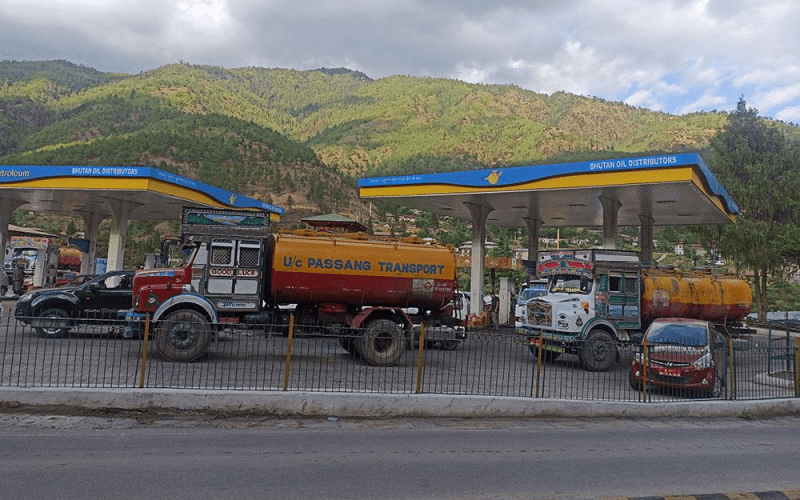
Bhutan is preparing for a major shift in the way cross-border payments are handled, with fuel stations nationwide set to accept India’s UPI Global QR payments beginning January 2026. The move, led by the Royal Monetary Authority (RMA), aims to cut the nation’s dependence on cash and strengthen safeguards against financial misconduct.
Push for Digital Payments Gains Momentum
The RMA has been steadily encouraging greater use of digital payment channels, citing persistent concerns linked to physical cash. Officials note that cash-based transactions leave room for risks such as money laundering, unrecorded exchanges, and counterfeit currency entering circulation. By expanding digital infrastructure, the authority hopes to create a safer and more transparent financial environment, especially in areas with high cross-border interaction.
Challenges in Encouraging UPI Usage
Despite the growing popularity of UPI within India, Bhutanese merchants have encountered hurdles in adopting the system. One of the major sticking points is the Merchant Discount Rate (MDR)—a small fee levied on digital transactions. Discussions between the government and the RMA explored the possibility of absorbing these charges on behalf of merchants, but the idea was ultimately deemed financially unsustainable in the long term.
Another challenge is behavioral. Indian visitors, who make up a large share of tourists and traders, often prefer cash over digital modes when transacting in Bhutan. Authorities say encouraging these customers to switch to digital payments remains an ongoing effort.
Cross-Border Banking Integration Underway
In a parallel initiative, the RMA is collaborating with local financial institutions to enable Bhutanese banking apps to function seamlessly for payments in India. This effort, which involves technical integration with Indian payment networks, is expected to be completed by the end of next year. Once operational, Bhutanese travelers will be able to make digital payments in India using their domestic banking applications, reducing the need to carry large amounts of cash.
Policy Measures to Discourage Excessive Cash Use
The government is also weighing additional policy tools to reinforce the digital transition. Among them is a proposed surcharge on cash transactions after December, a measure intended to gently steer consumers toward digital alternatives.
Authorities remain particularly alert to the use of Bhutanese Ngultrum (BTN) by Indian nationals in cash-heavy transactions. Such practices, they warn, could inadvertently facilitate illicit financial flows between the two countries. Promoting traceable, cross-border digital payments is seen as a key step in mitigating these risks.
A Step Toward a Safer, Unified Payment Landscape
As Bhutan advances toward a digitally driven financial system, the integration with India’s UPI platform marks a significant milestone. While challenges persist—from technical barriers to shifting entrenched habits—officials say the long-term benefits in transparency, convenience, and security make the transition essential.
If successful, Bhutan’s fuel stations in 2026 may become just the first visible marker of a broader digital transformation in the country’s payment ecosystem.