



The Editor,
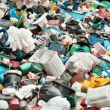
Bhutan’s early decision to ban plastic nearly three decades ago was visionary, yet today the country stands at a troubling crossroads. Despite good intentions, plastic pollution remains widespread, raising serious questions about the effectiveness of our current approach. The original ban targeted only a narrow range of products, mainly plastic bags, and has not evolved to address the explosion of single-use plastics that now dominate modern consumption.
Weak enforcement, limited manpower, and scarce resources have allowed plastic bags and other prohibited items to continue entering the country and circulating freely in markets. Equally concerning is the absence of a plastics-specific law. While the Waste Prevention and Management Act of 2009 provides a general framework, inconsistent implementation across agencies and the lack of clear accountability undermine meaningful progress.
The admission by authorities that awareness remains low among lawmakers, businesses, and the public is alarming. Without strong understanding of plastic’s long-term environmental and health impacts, compliance will remain superficial. Furthermore, the shortage of affordable, practical alternatives and pressure from customers leave many vendors with little choice but to rely on plastic.
Bhutan’s reputation as an environmental leader is at stake. It is time for stronger legislation, better coordination, sustained public education, and real investment in alternatives. Only then can we turn our pioneering vision into tangible results.
Sincerely,
Denki
A Concerned Citizen


