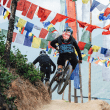

Bhutan is not a destination that reveals itself at speed. And yet, for those who travel on two wheels, it offers one of the most exhilarating off-road mountain biking experiences in the world.
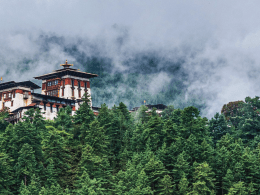
The terrain is uncompromising. Ancient trade routes snake along cliff edges. Forest trails plunge through pine, rhododendron, and fir. High mountain passes, some above 4,000 metres, test lungs and legs in equal measure.
What makes Bhutan extraordinary for mountain bikers is not just the technical challenge, but the context: rides that pass monasteries older than many European cities, prayer flags snapping in the wind, yak herds crossing single-track trails.
Bhutan’s off-road biking scene remains refreshingly understated. There are no bike parks or manufactured trails. Routes evolve organically from footpaths, farm tracks, and old mule trails once used for salt and wool trade.

The ride from Dochula to Punakha is a classic introduction, descending through changing vegetation zones with long, flowing sections punctuated by tight switchbacks. More demanding routes in Bumthang, Wangdue, and eastern Bhutan reward advanced riders with remote terrain and sustained elevation changes.
What sets Bhutan apart is access. With a guide—mandatory for all visitors—riders can traverse landscapes that would be off-limits elsewhere. Guides often double as cultural interpreters, pausing rides to explain chortens, village customs, or why a particular forest is considered sacred. It is not uncommon to dismount for a cup of butter tea in a farmhouse before plunging back into a downhill stretch.
The physical challenge is real. Altitude, weather, and rough surfaces demand preparation and respect. But the reward is intimacy. Riding through Bhutan means sharing trails with farmers, monks, and schoolchildren, not competing with traffic. Encounters feel human, unscripted. A group of villagers may wave riders through a harvest field. Monks may step aside with quiet smiles.
Bhutan’s emphasis on low-impact tourism aligns naturally with mountain biking. Riders are expected to adhere to strict environmental guidelines: no trail cutting, no litter, and absolute respect for wildlife and religious sites. In return, they gain access to some of the most pristine riding landscapes left in Asia.
This is adventure stripped of spectacle. No finish-line banners. No adrenaline-fuelled branding. Just the sound of tyres on dirt, wind in prayer flags, and the steady rhythm of breath at altitude. In Bhutan, mountain biking is not about conquering terrain. It is about moving through it—briefly, humbly, and fully alive.