Bhutan is not a country you simply “visit.” It’s one you enter slowly, like stepping into incense smoke—first a silhouette, then a scent, then a revelation. The best way to understand this is by road, tracing the mountain spine from Thimphu to Bumthang, where altitude becomes attitude and every curve in the road offers a new worldview.
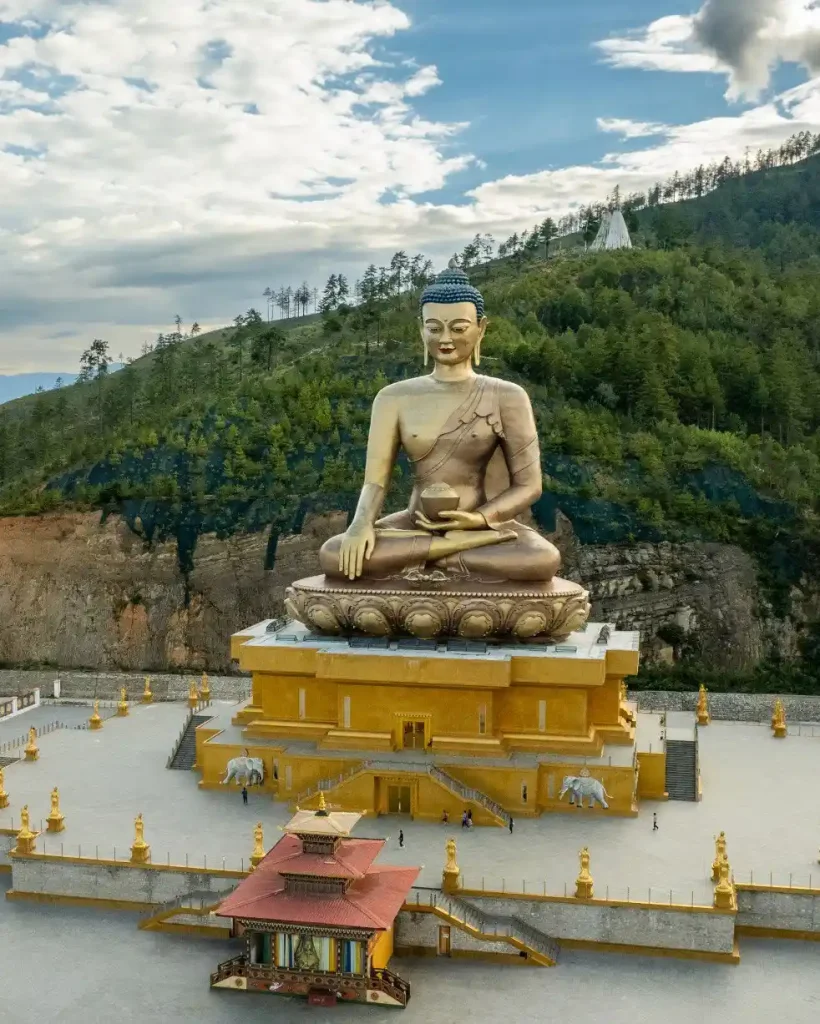
The journey begins in Thimphu, a capital city that refuses to behave like one. There are no traffic lights. Instead, white-gloved policemen choreograph intersections like ballet. Cafés serve espresso beside traditional bakeries, and shopfronts glow with textiles dyed in bold Himalayan colors. But the city’s soul still belongs to monasteries and prayer flags, and your first pilgrimage is likely to be to Buddha Dordenma—an immense golden figure seated in calm dominion over the valley. Below, Thimphu hums softly, like a city that understands it is a guest in the landscape.
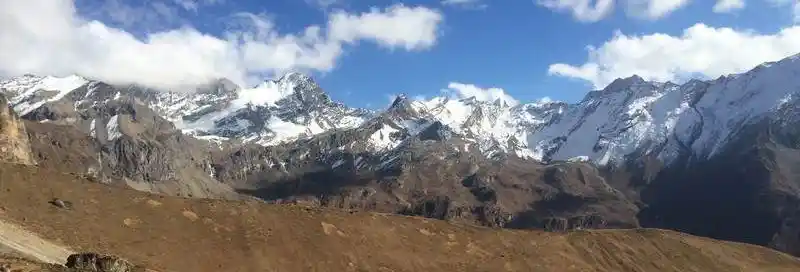
Then the road climbs, and Bhutan begins to unfold in chapters. Dochula Pass arrives like a dream: 108 chortens strung across a ridge, prayer flags shivering in the wind, clouds collapsing into valleys. Stop for tea. Let the silence do its work. On clear days, the Himalayan range rises like white scripture against the sky.
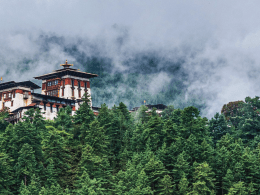
Descending toward Punakha, the air changes—warmer, softer, almost tropical. The Punakha Dzong appears at the confluence of two rivers like an architectural spell: white walls, red and gold rooftops, a fortress that is also a monastery, a state hall, a sacred living institution. Walk its courtyards slowly, listening for the low murmur of monks at prayer. Here, Bhutan is neither museum nor performance. It is simply continuing.
The drive continues east, and this is where the road becomes intimate. Terraced farms fold into hillsides. Villages appear unexpectedly, painted windows catching light. You cross suspension bridges and pause at roadside stalls selling apples, red rice, and cheese wrapped in cloth. There is a luxury in this kind of travel that no resort can provide: time unhurried, scenery unfiltered, encounters unscripted.
Bumthang, in the heartland, feels like Bhutan turned inward. Its valleys—Chokhor, Tang, Ura—are wide open and luminous, stitched with pine forests and ancient temples. This is where Bhutan’s myths feel near enough to touch. Jakar Dzong stands sentinel above the town. Jambay Lhakhang, one of Bhutan’s oldest temples, holds stories older than nations. And in the surrounding villages, you may still find homes perfumed with woodsmoke and butter tea, where hospitality is offered not as a service but as a cultural reflex.
Stay long enough, and Bumthang rewards you with quiet astonishments: a morning walk through misted fields, prayer wheels turning with the wind, yak-wool textiles woven in the old ways. Here, Bhutan feels less like a destination and more like a form of memory you didn’t know you carried.