
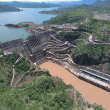

The recent approval by the World Bank Group of an $815 million financing package for the 1,125 MW Dorjilung Hydropower Project marks a transformative moment for Bhutan. Co-owned by Tata Power (40%) and Bhutan’s Druk Green Power Corporation (DGPC), this landmark public-private partnership (PPP) is the largest of its kind in the kingdom’s history. When completed around 2031, the project will generate over 4,500 GWh of clean electricity annually — with approximately 80% exported to India — boosting Bhutan’s installed hydropower capacity by nearly 40%.
For a small, landlocked nation whose economy has long revolved around the principle of Gross National Happiness, hydropower remains the single most important driver of development. It accounts for a substantial portion of government revenue, foreign exchange earnings, and overall GDP contribution. The Dorjilung project arrives at a critical juncture: Bhutan has faced persistent seasonal energy shortfalls, forcing expensive winter imports of power despite its vast untapped hydro potential. By adding reliable, peaking-capable generation, Dorjilung will help close this gap, reduce import dependence, and create a more stable and self-reliant energy future.
The significance extends far beyond kilowatt-hours. The project aligns perfectly with Bhutan’s constitutional commitment to remain carbon-negative and its ambitious vision to become a regional green energy hub. The clean power generated will displace fossil-fuel-based electricity in the region, contributing to both countries’ climate goals under the Paris Agreement. Moreover, the revenues from power exports will fund education, healthcare, rural infrastructure, and conservation efforts — core pillars of Gross National Happiness.
India’s role in this success story is indispensable. As the primary buyer of 80% of Dorjilung’s output, India provides the assured market that makes such large-scale investments viable. This arrangement is not merely commercial; it is deeply strategic. For decades, India has been Bhutan’s foremost development partner in the hydropower sector — from the iconic Chukha (336 MW) project in the 1980s to the recently inaugurated Punatsangchhu-II (1,020 MW) and the ongoing Punatsangchhu-I (1,200 MW). The Dorjilung project builds on this legacy, now enriched by private-sector participation from a respected Indian company like Tata Power.
The World Bank’s endorsement adds crucial credibility and concessional finance, including grants and low-interest credits from the International Development Association (IDA). This support de-risks the project, attracts additional investment, and signals to global markets that Bhutan’s hydropower development is environmentally and financially sustainable. It also reflects growing multilateral confidence in Bhutan’s governance and its unique development model.
Critics of large hydropower projects often raise concerns about ecological disruption, displacement, and downstream impacts. Bhutan has consistently addressed these through rigorous environmental assessments, community consultations, and a commitment to run-of-the-river designs that minimize large reservoirs. The Dorjilung project, located on the Kurichhu River, follows this careful approach. With India’s technical expertise and Bhutan’s strong environmental safeguards, the collaboration sets a model for responsible transboundary hydropower development.
In an era of energy transition and climate urgency, the Dorjilung project exemplifies how regional cooperation can deliver mutual benefits. Bhutan gains revenue, energy security, and a pathway to higher living standards without compromising its ecological integrity. India secures reliable, clean baseload power to meet its growing demand and net-zero ambitions. The World Bank’s backing amplifies both countries’ efforts to scale up renewable energy.
As Bhutan moves toward commissioning its largest PPP hydropower venture, it does so with the quiet confidence that comes from a trusted partnership. India’s steadfast support — technical, financial, and commercial — has once again proven to be the cornerstone of Bhutan’s sustainable progress. In the Himalayan kingdom, hydropower is not just an energy source; it is a bridge to prosperity, harmony, and shared regional security. The Dorjilung project strengthens that bridge for generations to come.