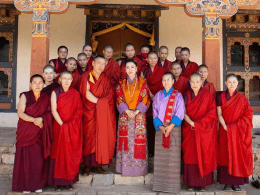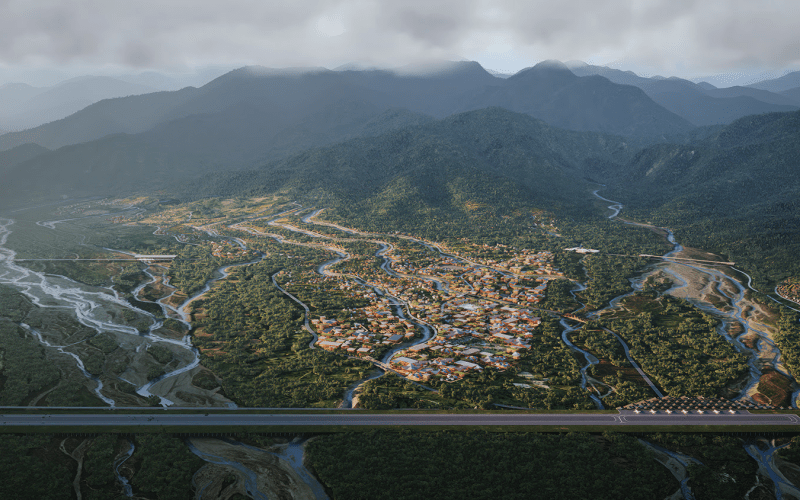
Located strategically at the intersection of South Asia, Southeast Asia, and China, Gelephu Mindfulness City (GMC) is set to become a transformative force in urban development. Conceived by His Majesty King Jigme Khesar Namgyel Wangchuck, GMC is not just a new city but a pioneering experiment in integrating economic growth with mindfulness, holistic living, and sustainability. This Special Administrative Region (SAR) of Bhutan represents a bold vision for a modern city that harmonizes traditional values with cutting-edge innovation.
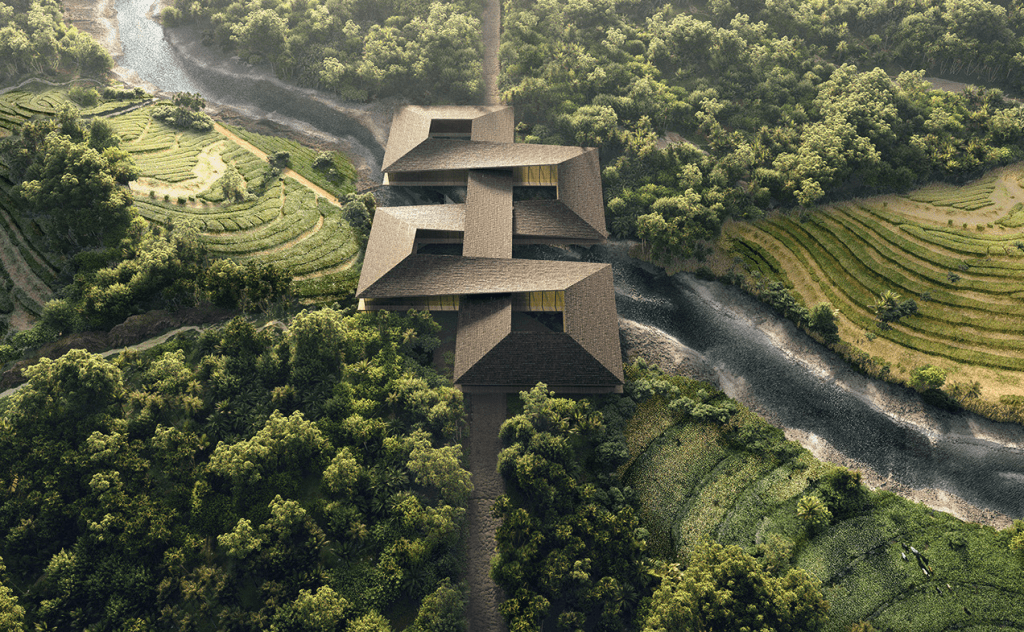
The GMC’s location at a pivotal juncture between major economic regions enhances its potential as a hub for regional connectivity and economic exchange. This strategic positioning, combined with Bhutan’s enduring commitment to sustainable development, rich cultural heritage, and robust governance, places GMC at the forefront of global urban development.
The city’s development reflects Bhutan’s philosophy of Gross National Happiness and its unique Vajrayana spiritual heritage, which guides GMC’s vision of mindful living in the 21st century.
Governance and Autonomy
One of GMC’s most remarkable features is its autonomous governance structure. The city will operate with its own executive, legislative, and judicial systems, enabling it to enact and enforce policies tailored to its unique needs and goals. This autonomy ensures a secure and transparent environment, crucial for attracting investment and ensuring residents’ well-being.
- The independent executive will manage daily administration and policy implementation.
- The legislative body will craft laws and regulations.
- The judiciary will uphold legal standards and resolve disputes.
This model is designed to build trust and accountability while empowering residents and businesses.
Infrastructure and Connectivity
GMC’s infrastructure is based on world-class technology and sustainable practices. Planned features include:
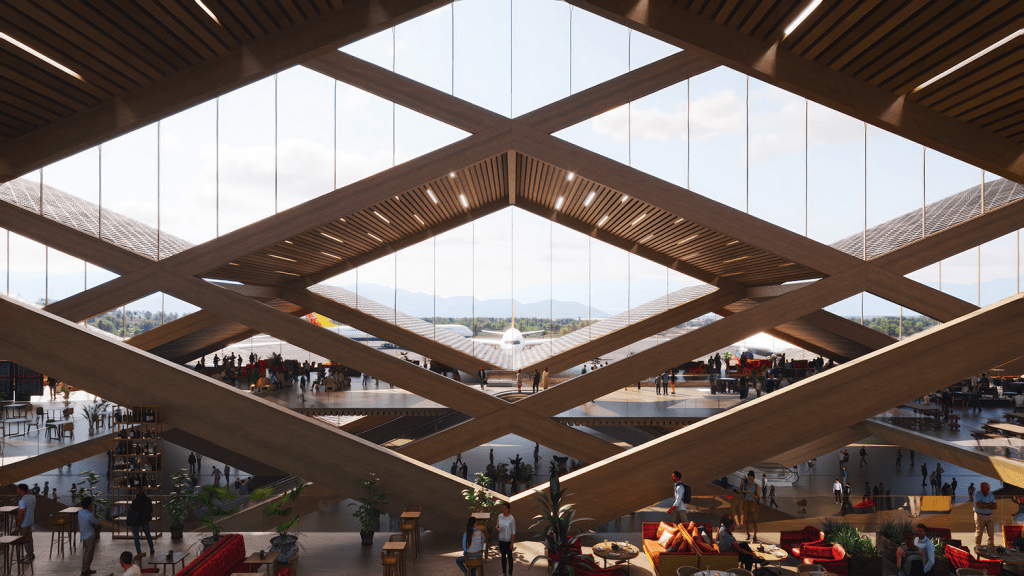
- An international airport
- Advanced rail networks
- State-of-the-art digital connectivity
All powered by 100% renewable energy sources. The design integrates seamless connectivity with eco-friendly principles, promoting a harmonious relationship with nature.
Economic Sectors Driving Growth
GMC will focus on seven core sectors:
- Technology and Innovation
- High-tech companies and research institutions
- Emphasis on digital transformation and tech-driven growth
- Sustainable Industries
- Eco-friendly manufacturing, green building, and waste management
- Cultural Tourism
- Cultural centers, museums, and heritage sites to promote Bhutanese traditions
- Education and Research
- Institutions combining traditional Bhutanese values with modern disciplines
- Focus on sustainability, mindfulness, and global academic contribution
- Healthcare and Wellness
- Advanced healthcare and wellness centers
- Preventive care and alternative therapies
- Finance and Investment
- Independent financial system with a stable and transparent framework
- Agriculture and Food Security
- Sustainable farming techniques
- Local food production for a resilient food system
Transformation and Global Impact
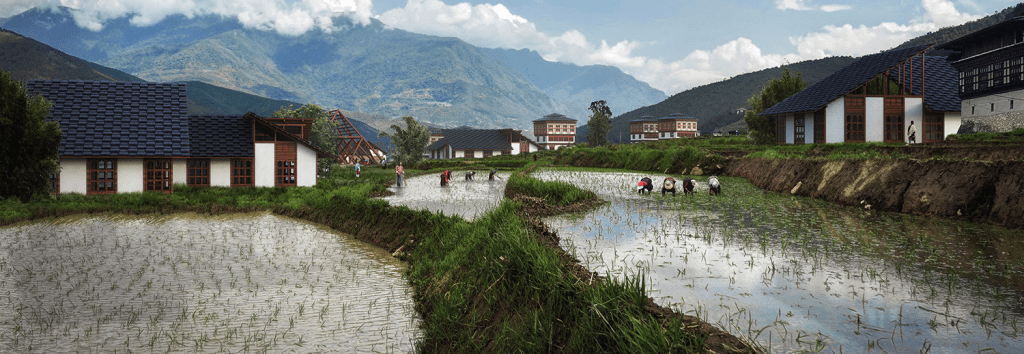
GMC aims to transform Bhutan’s urban landscape and set a global standard for sustainable and harmonious urban development. By merging economic growth with mindfulness and environmental stewardship, GMC offers a model for future cities worldwide. As the city develops, it will enhance Bhutan’s regional and global standing and serve as a blueprint for balanced urban living.