


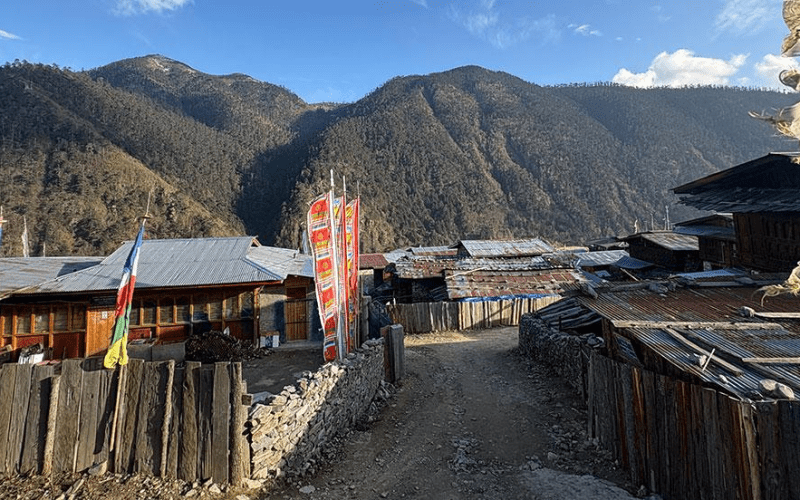
In Trashigang Dzongkhag, where the air is crisp and prayer flags flutter against snow-dusted peaks, the village of Merak is experiencing an unexpected springtime surge. Once a quiet settlement of semi-nomadic Brokpa herders tending yaks amid alpine meadows, Merak has seen its homestay sector boom as the annual Rhododendron Festival draws record crowds.
This year’s second edition of the week-long Rhododendron Week, held from April 3 to 9 at Sheytemi (around 2,900 metres above sea level), welcomed a remarkable 18,483 visitors. The event celebrates the vibrant blooming of rhododendrons—one of Bhutan’s natural treasures, with over 40 of the country’s 46 species found in the Merak-Sakteng region alone. Hillsides transform into a riot of crimson, pink, gold, and white, set against the backdrop of Sakteng Wildlife Sanctuary’s pristine ecosystems.
For the Brokpa community—known for their distinctive traditional attire, yak-herding lifestyle, and deep cultural ties to the land—the festival is more than a floral spectacle. It is a proud showcase of “Nature’s Beauty, Brokpa’s Pride,” featuring folk songs and dances, local crafts and cuisines, a Brokpa Beauty Contest (sometimes styled as Miss Rhododendron, with participants representing individual rhododendron species), guided nature hikes, and opportunities to experience highland life firsthand. The royal presence of Their Majesties at the event added a special grace, drawing even more attention to this corner of eastern Bhutan.
Homestays Turn the Economic Tide
The real story on the ground lies in the transformation of village homes into welcoming homestays. Merak Gewog, home to roughly 2,000 people across 380 households, now boasts seven licensed homestays, with two more awaiting approval. Of these, three existed before the festival gained momentum, while four new ones registered this year, encouraged by the local gewog office to meet surging demand.
Lobzang Tashi, who runs Sangay Dema Homestay in Gyen Go village, has operated for a decade. “We receive most of our visitors during April and May, mostly during the Rhododendron Festival,” he said. “Some tourists come to experience Merak’s culture, tradition, and natural beauty.” His numbers tell a compelling tale: visitor counts doubled from just 3–4 annually in earlier years to over 12 last year, generating Nu 150,000. This season, the homestay hosted 11 guests in just three days, earning Nu 30,000.
Nearby, Dawa’s Red Panda Homestay—running since 2015—operated at full capacity with 20 guests this year, following earnings of Nu 250,000 from 20 visitors the previous season. In Khashateng village, Tashi Wangdi started his homestay three years ago simply to make use of extra space in the family home. His earnings have climbed steadily: from Nu 25,000–30,000 initially (with 3–4 visitors) to Nu 50,000 last year (15 visitors), and Nu 60,000 this festival week alone from 25 guests.
Rates remain modest and community-friendly—typically Nu 450 to Nu 800 per night, excluding meals—allowing visitors an authentic immersion rather than luxury isolation. Guests often eat together with the family, learn daily routines, help with chores, and soak in Brokpa customs by the hearth. In Merak’s chilly climate, hosts ensure modern touches like geysers in bathrooms and self-service amenities (coffee, tea bags, electric kettles) to cater to international tastes while preserving the “live like a local” ethos. The Department of Tourism has played a key supportive role through training on hospitality standards, cleanliness, and community advocacy, making the process accessible even for non-literate households.
A Model of Sustainable Growth
Preparations for the festival often begin weeks in advance. Owners like Dawa and Ngaden clean, repair, and organize their stone-and-wood homes to accommodate larger groups—shifting from the usual 2–3 guests to 20 or more. The ripple effect extends beyond Merak: hotels and resorts in Trashigang town also report increased bookings, while the festival injects significant revenue into the local economy through crafts, cuisine, and guiding services.
This boom aligns perfectly with Bhutan’s philosophy of high-value, low-impact tourism. By channeling visitors into community-run homestays rather than large resorts, the festival empowers locals, preserves Brokpa traditions, and supports conservation in a protected highland area. Visitors leave not just with photographs of blooming rhododendrons, but with stories of shared meals, yak herding insights, and a deeper appreciation for a way of life that harmonizes with nature.
As the petals fade and the festival concludes, Merak’s homestay owners look ahead with quiet optimism. Many hope the momentum will sustain year-round interest in the region’s trekking trails, cultural richness, and biodiversity. For a village once defined by isolation and seasonal herding, the Rhododendron Festival has planted seeds of opportunity—blooming into economic resilience and cultural pride that will linger long after the flowers.
Coverage of this heartwarming development has been widely shared across Bhutan news platforms. Readers interested in more stories from the region can explore dedicated Bhutan news website sources or visit multiple Bhutan news websites for ongoing updates on sustainable tourism initiatives and highland community successes.
In the words of one homestay owner, it’s about more than beds and income: it’s about opening the doors of highland homes to the world, one visitor at a time, while keeping the heart of Brokpa Merak intact.


