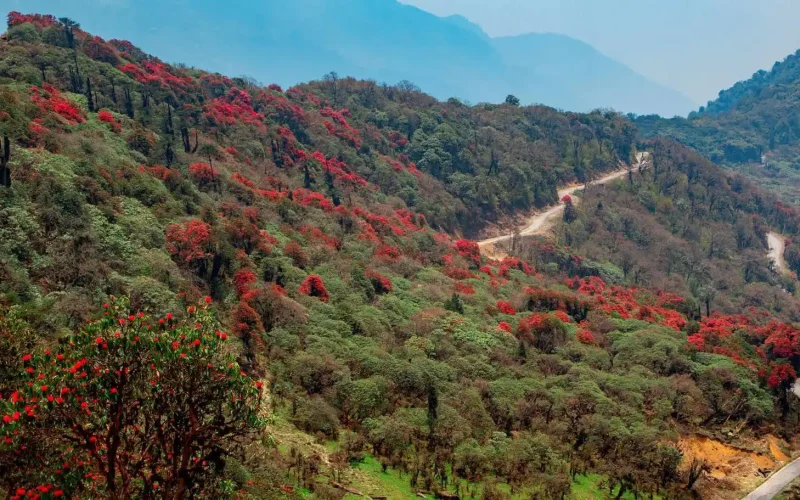
Nestled in the pristine valleys of Haa Dzongkhag, Bhutan’s Tergola is poised to redefine sustainable travel. This remote Himalayan haven, long known as the “Door to Hidden Treasure,” is set to launch a pioneering low-impact, high-value eco-tourism model that places conservation at its core.
Tergola’s emerald forests and rugged passes shelter one of the world’s most significant populations of the endangered red panda. A 2023 nationwide survey recorded 42 individuals here—the highest concentration documented at any single site in Bhutan. These elusive creatures, along with diverse flora and fauna, thrive in an ecosystem that has remained largely untouched by mass tourism.
Under the new initiative, authorities will enforce a strict “high-value, low-impact” approach inspired by Bhutan’s long-standing Sustainable Development Fee policy. Visitor numbers will be tightly capped, ensuring minimal ecological footprint while maximizing economic returns for local communities. Plans include carefully designed off-grid eco-lodges, guided nature treks to Tergola Pass with sweeping views of Jhomolhari and Jitchu Drake, and immersive wildlife experiences focused on red panda conservation rather than mere sightings.
“We want visitors who value quality over quantity,” said a local tourism official. “Each guest will contribute meaningfully to habitat protection and community livelihoods without overwhelming this fragile landscape.”
The model aims to generate revenue through premium experiences—think guided biodiversity walks, homestays with Haa’s warm hospitality, and educational programs on Bhutan’s unique Gross National Happiness philosophy applied to tourism. Proceeds will directly fund anti-poaching efforts, reforestation, and community infrastructure.
For adventure seekers and conscious travellers alike, Tergola promises an intimate encounter with raw Himalayan beauty. As Bhutan continues to lead global efforts in responsible tourism, Tergola stands as a shining example: proof that protecting nature and fostering genuine human connection can walk hand in hand.
In a world racing toward overtourism, this quiet corner of the Himalayas offers a refreshing blueprint—where fewer footprints leave deeper impressions, and every visit helps safeguard a priceless habitat for generations to come.