


Bhutan is taking a significant step toward strengthening the management and development of its cultural institutions through the formulation of a national framework for museums and heritage galleries.
The Department of Culture and Dzongkha Development (DCDD) is currently drafting a comprehensive set of guidelines aimed at establishing consistent standards for the creation, operation, and management of museums and heritage galleries across the country. The initiative comes at a time when such institutions are playing an increasingly important role in preserving Bhutan’s cultural identity while serving as centres for education, tourism, and community engagement.
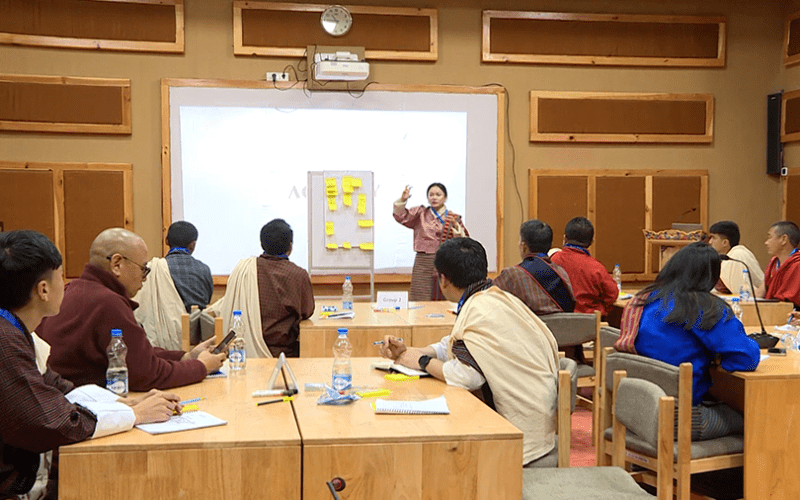
To shape the framework, museum experts, cultural practitioners, architects, and government representatives gathered for a two-day workshop to deliberate on key aspects of museum governance. Discussions focused on ensuring uniform standards for both public and private institutions, while also exploring ways to make museums more accessible, interactive, and relevant to modern audiences.
Officials involved in the process said the guidelines are intended to move museums beyond their traditional image as simple repositories of historical artefacts. Instead, the new framework seeks to position them as dynamic cultural spaces that promote learning, public participation, and heritage appreciation.
The proposed document will provide a roadmap for maintaining quality standards while ensuring that museums and heritage galleries continue to reflect Bhutanese values, traditions, and cultural aspirations. It is also expected to support the country’s broader efforts to preserve both tangible and intangible heritage.
Participants highlighted the importance of building financially sustainable cultural institutions. Experts noted that museums possess untapped potential to generate revenue through educational programmes, special events, museum shops, exhibitions, and community activities. Such initiatives could not only strengthen institutional finances but also contribute to local economic development and cultural tourism.
The growing economic contribution of museums is already evident. During the 2024–2025 financial year, the three museums managed by the culture department generated Nu 37.4 million through entry fees, café rentals, and venue hire services.
The workshop also offered valuable insights for ongoing heritage development projects across the country. Representatives involved in cultural infrastructure initiatives said the emerging standards would help guide future projects and ensure that new heritage centres align with internationally recognised best practices.
Once feedback from the workshop is incorporated, the museum division will finalise the guidelines before submitting them to the relevant ministry for endorsement. Officials indicated that implementation will take place in phases following formal approval.
The initiative is being carried out under the ongoing partnership between Bhutan and the Australian High Commission through the Direct Aid Programme, with funding support provided jointly by the High Commission and the Royal Government of Bhutan.


