


As digital technology rapidly reshapes the creative landscape, Bhutan’s artists, filmmakers and content creators are urging lawmakers to modernize the country’s copyright framework, warning that outdated legislation is leaving original works vulnerable to misuse and piracy.
During consultations on the draft Copyright Bill, members of the creative sector highlighted growing concerns over unauthorized use of artistic works, ranging from illegal film recordings and music piracy to emerging challenges posed by artificial intelligence-generated content.
Industry representatives argue that Bhutan’s current Copyright Act, enacted more than two decades ago, no longer reflects the realities of today’s digital environment. They say weak enforcement mechanisms and limited penalties have contributed to a culture where copyright infringement is often overlooked.
According to stakeholders, many violations are treated as minor civil disputes, making it difficult to hold offenders accountable and reducing the deterrent effect of the law.
Tandin Tshering, Sales and Marketing Head of Samuh, said the existing legal framework lacks the strength needed to effectively combat infringement. He noted that uncertainty over whether cases should be pursued as civil or criminal matters has created confusion and weakened enforcement efforts.
The film industry has also raised alarms over persistent piracy. Actor Kezang Dorji said that movies screened in cinemas are frequently recorded on mobile phones and shared illegally online, resulting in significant financial losses for production teams. He questioned whether such practices stem from limited public awareness or shortcomings in the law itself.
Musicians have echoed similar concerns. Music producer Choeying Jatsho of M-Studio said many people mistakenly assume that creative works can be used freely without consequences. He pointed out that performers often use copyrighted songs in competitions and public events without obtaining permission from rights holders.
Beyond traditional forms of infringement, creators are increasingly concerned about technological developments outpacing legal protections. The rise of artificial intelligence, which can generate music and recreate existing works, has introduced new questions about ownership and copyright that remain largely unaddressed under current legislation.
Jatsho said AI-generated versions of songs and other creative works are becoming more common, yet there is little clarity on whether such uses are permissible. He stressed the need for future-focused provisions capable of addressing emerging technologies.
Stakeholders emphasized that significant changes have occurred since the Copyright Act was introduced in 2001 and argued that the legal framework must evolve to keep pace with developments in the creative economy.
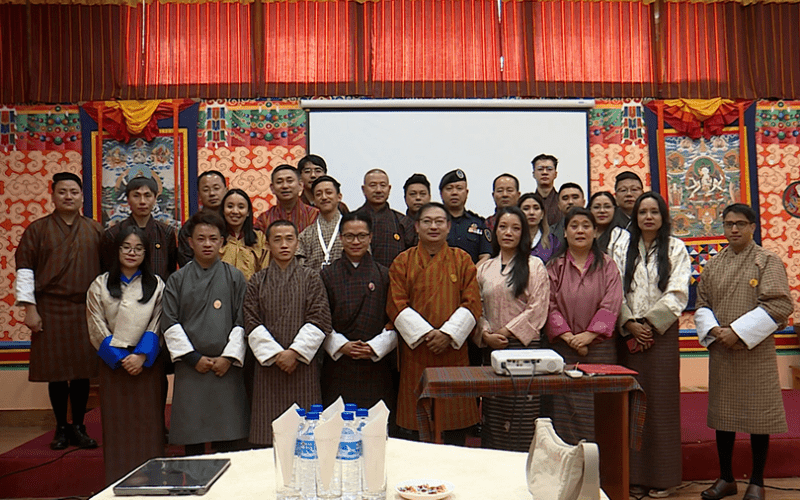
In response to these concerns, the Department of Media, Creative Industry and Intellectual Property has been working on a new Copyright Bill aimed at strengthening protections for creators and rights holders.
Officials are currently gathering feedback from artists, industry groups and other stakeholders to refine the draft before it is submitted to the Cabinet, which is expected to take place in September.
Among the proposed reforms are tougher penalties for copyright violations, enhanced border enforcement measures, and new powers allowing authorities to seize and destroy pirated materials. Supporters of the bill believe these measures will help safeguard Bhutan’s growing creative sector and ensure that artists receive fair recognition and protection for their work in an increasingly digital age.


