


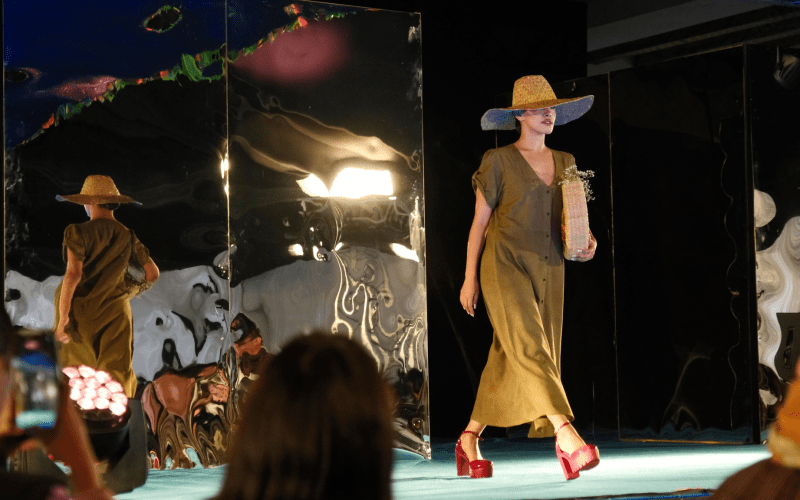
Bhutan has taken a striking step onto the global fashion stage with the debut of Bhutan Fashion Week (BFW), an event that has already begun reshaping opportunities for the country’s creative community. Far more than a showcase of style, the inaugural edition proved to be a catalyst for economic growth, professional exposure and renewed appreciation for Bhutanese craftsmanship.
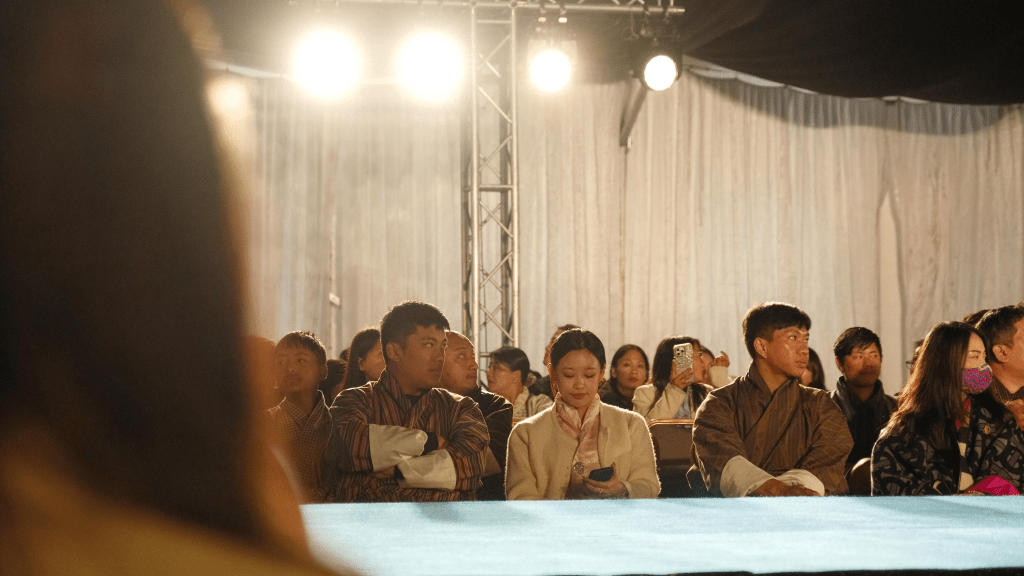
From the moment the runway lights came up, designers found themselves thrust into a broader spotlight than many had ever experienced. The event drew attention from both domestic audiences and international visitors, opening doors that had long remained out of reach. For many participants, this was the first time their work had been presented to such a diverse crowd, sparking conversations, inquiries and newfound collaborations.
For emerging designers, the week served as a crucial learning ground. Karma Choden of GreenCraft Bhutan described the experience as transformative—an opportunity to refine her creative voice and understand the demands of a competitive market. While immediate sales weren’t guaranteed for everyone, the exposure itself proved invaluable, planting seeds for future growth.
Some designers saw their brands soar almost instantly. Choney Dema of Druk Lokpa watched her intricate, culturally inspired pieces capture international attention. Her collections quickly sold out, generating not only personal success but also meaningful income for the local weavers who bring her designs to life. The ripple effect was felt across the supply chain, illustrating fashion’s potential as an engine for rural livelihoods.
Others, such as Leena D. Ghalley of LEENA’s World, found the platform uniquely effective in connecting with both Bhutanese audiences and tourists eager to take home a piece of the country’s contemporary identity. BFW positioned her work—and that of her peers—in a setting that celebrated innovation while staying rooted in tradition.
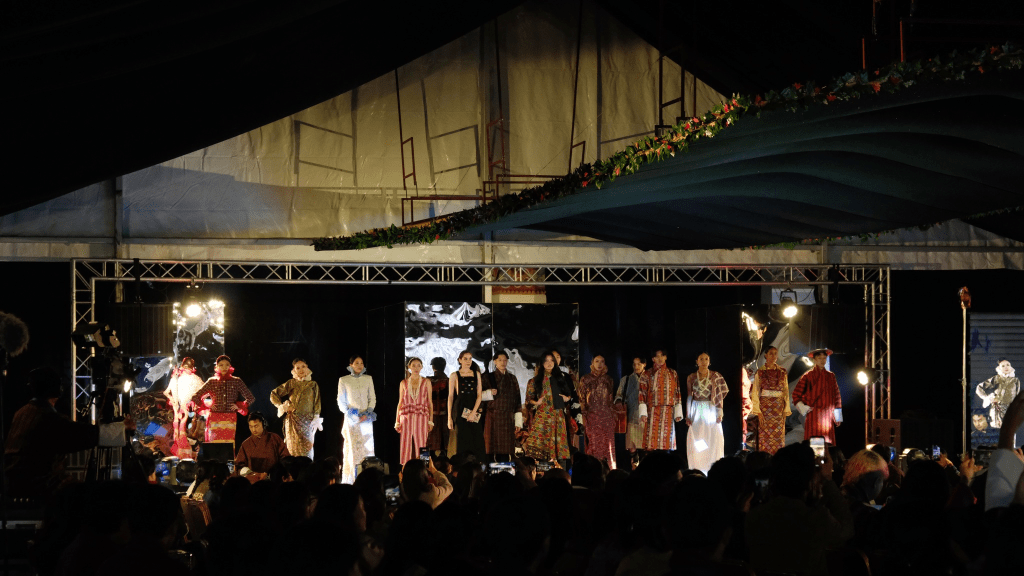
Beyond individual achievements, this year’s Bhutan Fashion Week revealed something deeper: the unrealized potential that had long existed within the nation’s creative sector. By offering a curated stage, professional visibility and a chance to engage with a global market, BFW filled a gap that designers say had held the industry back for years.
As Bhutan seeks to diversify its economy while preserving its cultural heritage, the success of BFW signals a promising new direction. If the inaugural event is any indication, the country’s fashion industry is ready to step confidently into the international arena—woven with tradition, inspired by modernity and powered by talent that is only beginning to be discovered.


