


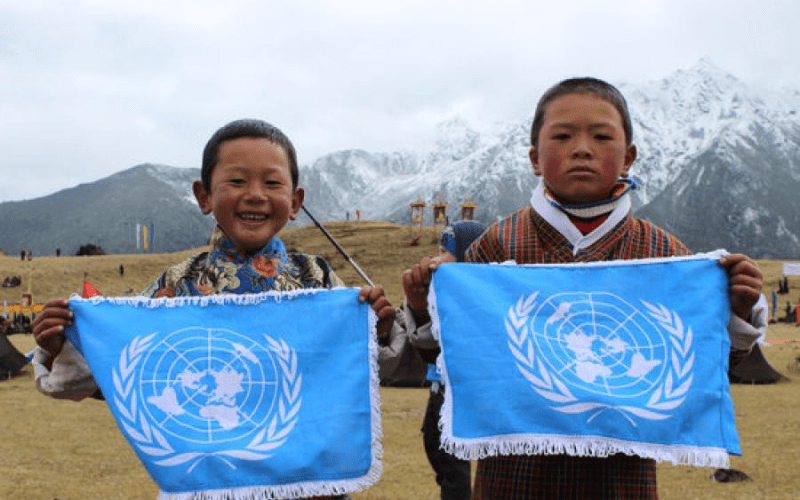
The United Nations is facing one of its most severe financial crises in recent history, with Secretary-General António Guterres warning of potential “financial collapse” by mid-2026 if member states fail to pay outstanding contributions. This global cash crunch, now in its third year, stems from delayed payments and reduced funding from major donors, including shifts in U.S. contributions. The UN’s 2026 regular budget has been slashed by 15.1% (approximately $577 million) compared to 2025, alongside an 18.8% reduction in manpower.
In Bhutan, a small landlocked nation that graduated from Least Developed Country status in 2023, these global constraints are hitting UN agencies hard. Despite Bhutan’s remarkable progress in poverty reduction, environmental conservation, and Gross National Happiness-guided development, UN operations must now “do more with less.” Agencies are recalibrating priorities, safeguarding essential programs, and working closely with the Royal Government to maintain momentum.
The World Health Organization (WHO) in Bhutan exemplifies the strain, planning a roughly 30% budget cut while focusing resources on high-priority health initiatives. Other UN entities, including UNDP, face similar pressures as voluntary contributions dwindle and post-graduation aid flows decline. This comes at a challenging time for Bhutan, which relies on external support for climate resilience, sustainable development, and emerging sectors like digital innovation and hydropower expansion.
UN teams in Thimphu emphasize efficiency through innovation, stronger partnerships with the government, and targeted interventions in remote areas. By prioritizing critical areas such as climate adaptation, gender equality, and inclusive governance, agencies aim to sustain impact despite shortages. Bhutan’s strong national ownership and collaborative framework provide a buffer, but sustained global support remains vital to avoid setbacks in hard-won gains.
As the UN navigates this austerity era, Bhutan’s experience underscores a broader reality: even model developing nations face risks when international solidarity falters. Adaptation and resilience will define the path forward.


