


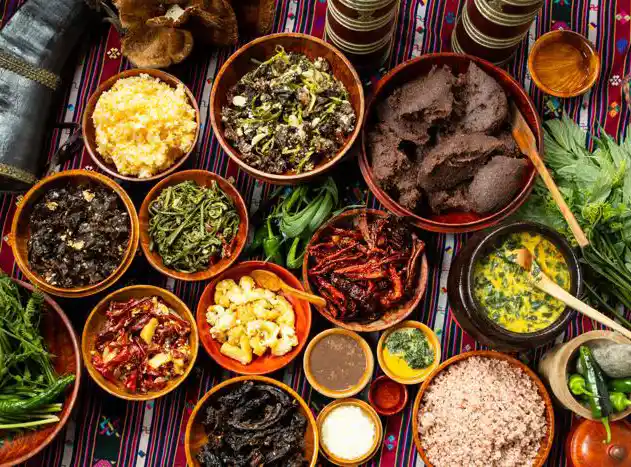
Bhutan’s cuisine does not ease a traveller in—it confronts, surprises, and ultimately seduces. Defined by bold flavours and unapologetic heat, it reflects a country where food is deeply intertwined with geography, culture, and identity. In Bhutan, chillies are not simply a seasoning; they are a staple, forming the backbone of nearly every meal.
At the heart of this culinary tradition is Ema Datshi, a dish that captures the essence of Bhutanese cooking. Made with green or red chillies simmered in a rich, locally produced cheese, it is deceptively simple. The first taste can be overwhelming, the heat immediate and unrelenting. Yet, as the palate adjusts, layers of flavour begin to emerge—the creaminess of the cheese, the freshness of the chillies, and an underlying warmth that feels both comforting and invigorating.
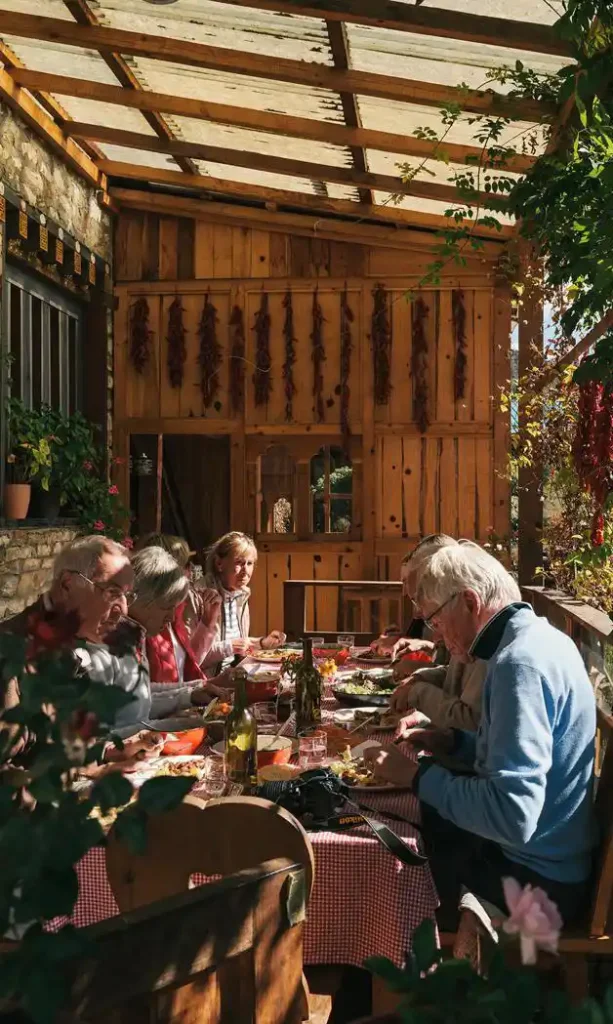
Meals are typically accompanied by red rice, grown in the fertile valleys of the country. Slightly sticky and nutty in flavour, it provides a grounding balance to the intensity of the curries. In rural homes, food is prepared over wood-fired stoves, imparting a smoky depth that cannot be replicated. Cooking is often a communal activity, with family members gathering to prepare, share, and enjoy the meal together.
Bhutanese cuisine is also shaped by altitude.
In the highlands, yak meat and dairy products dominate, offering sustenance in colder climates. In lower valleys, a wider variety of vegetables is available, including foraged ingredients such as wild mushrooms, ferns, and herbs. Seasonal eating is not a trend here—it is a necessity, and it lends the cuisine a dynamic, ever-changing character.
Dining in Bhutan is an expression of generosity. Guests are encouraged to eat heartily, often receiving second and third servings as a gesture of hospitality. Meals are unhurried, punctuated by conversation and laughter, creating an atmosphere that feels both intimate and welcoming.
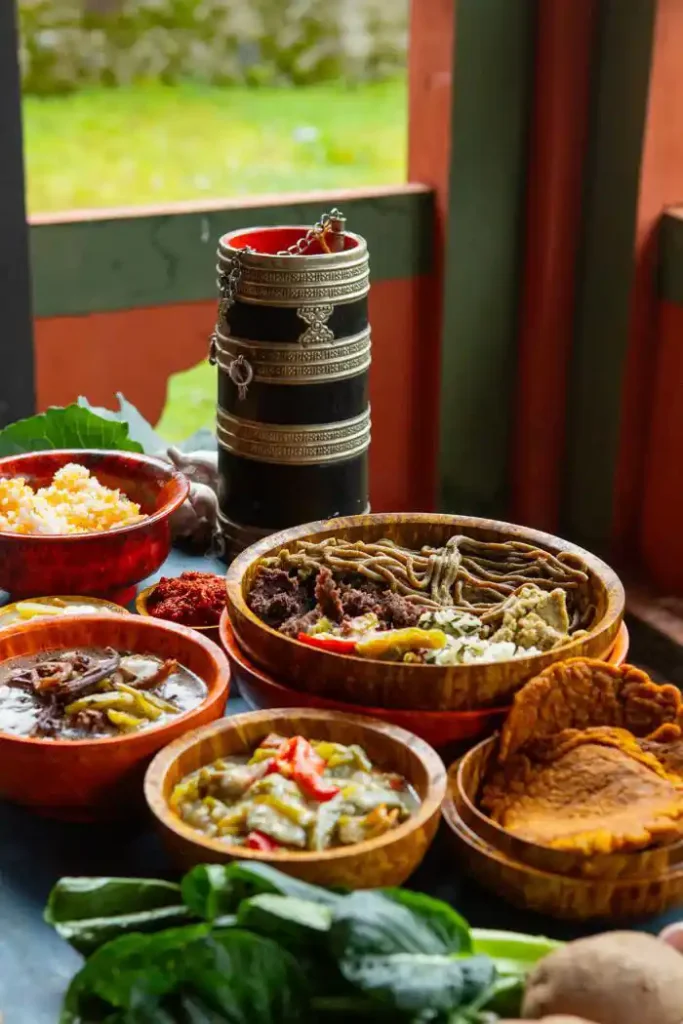
In recent years, Bhutan’s culinary scene has begun to evolve. A new generation of chefs, many trained abroad, is reinterpreting traditional dishes with subtle innovation. Restaurants in Thimphu are experimenting with presentation and technique, offering contemporary versions of classic flavours while remaining rooted in tradition.
Markets provide a vivid window into this food culture. Stalls overflow with chillies in every shade—green, red, and dried—alongside fresh produce, handmade cheese, and local spices. The energy is vibrant, the colours striking, and the connection to the land unmistakable.
For travellers, Bhutanese cuisine is more than a gastronomic experience. It is a journey into the heart of the country—a way to understand its resilience, its warmth, and its unwavering sense of identity through the language of food.


