


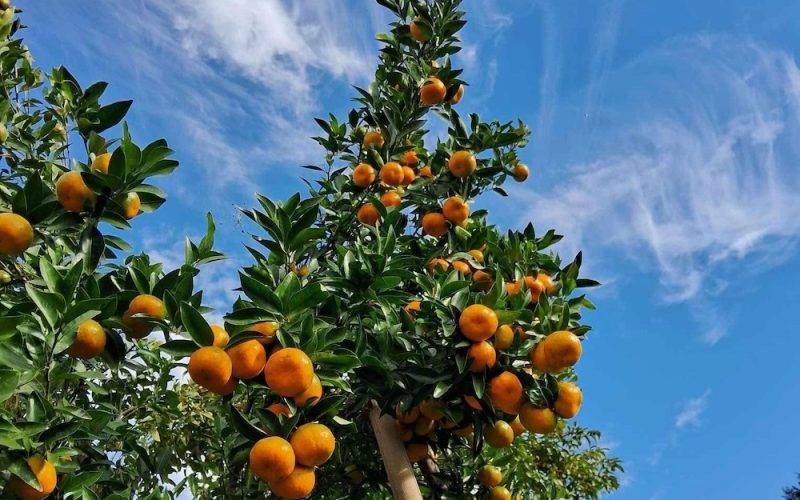
Bhutan’s signature mandarin oranges are once again asserting their place in regional markets, with new figures showing a steady rebound in exports after several years of volatility.
Between January 2025 and February 2026, the country exported 16,165 metric tonnes of mandarin oranges, earning Nu 679.88 million in export revenue. The shipments moved through eight designated exit points, with Gelephu emerging as the busiest gateway, reflecting its growing role as a commercial hub for agricultural trade.
The export season has also provided a significant boost to livelihoods. A total of 234 exporters—including registered agencies, private businesses, and individual traders—were engaged in the trade, highlighting the sector’s importance not only to farmers but also to transporters, packers, and small-scale entrepreneurs across the supply chain.
Mandarin exports have seen notable fluctuations over the past decade. A sharp decline was recorded in 2020, widely attributed to pandemic-related disruptions, border restrictions, and logistical challenges. Since then, volumes have gradually improved, with 2024 marking a partial recovery and the latest figures suggesting continued upward momentum.
On the production front, Dagana dzongkhag remains the country’s leading mandarin-growing area among Bhutan’s 19 dzongkhags, followed by Samdrupjongkhar. Farmers in these districts benefit from favorable agro-climatic conditions, though they continue to face challenges such as pest management, orchard aging, and the need for improved post-harvest handling.
India and Bangladesh remain the primary destinations for Bhutanese mandarins, accounting for the bulk of exports. Demand from these neighboring markets is driven by the fruit’s reputation for flavor and quality, as well as Bhutan’s proximity, which helps keep transportation costs competitive.
Officials and industry stakeholders view the current performance as encouraging but stress that sustaining growth will require continued investment in orchard rejuvenation, quality control, and market diversification. If these measures are pursued, Bhutan’s mandarin orange sector could further strengthen its position as one of the country’s most valuable agricultural exports.


