


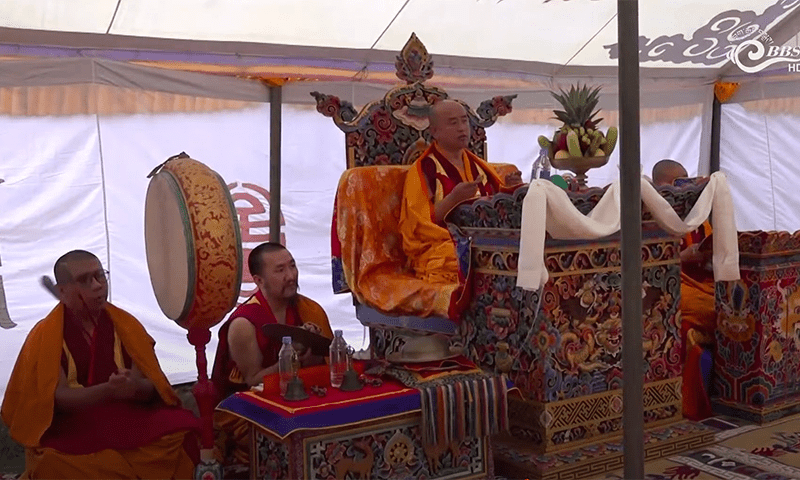
A significant milestone has been marked in Bhutan’s heritage preservation and rural development efforts, as the people of Rinchhengang Toed and Rinchhengang Maed chiwogs in Thedtsho Gewog prepare to relocate to a new settlement in Barithang. The move is part of the ambitious Drinchengang Village Development Project, which officially commenced yesterday with a groundbreaking ceremony presided over by the Tsugla Lopen of the Central Monastic Body.
Located just under a kilometre from the existing village, the temporary settlement in Barithang will span approximately 10 acres. This marks the beginning of Phase I of the project, which prioritizes the construction of essential infrastructure—access roads, electricity, drainage systems, and water supply—to ensure a smooth transition for the residents. The temporary housing will be supported through His Majesty’s Kidu, underlining the project’s commitment to minimizing disruption to villagers’ lives during the move.
The relocation is only the first step in a larger vision. The current Rinchhengang village, believed to have been established in the 17th century by master masons brought by Zhabdrung Ngawang Namgyal, will be transformed into Bhutan’s first innovative model village. Perched on a hilltop opposite the Wangdue Phodrang Dzong and surrounded by terraced fields, the village is renowned for its compact cluster of traditional adobe houses, a visual testament to Bhutanese architectural heritage.
In Phase II, the construction of permanent homes for the relocated families will commence, aligning with the broader goal of fostering sustainable livelihoods while preserving the cultural fabric of the community. According to the Project Office, the initiative is designed to blend heritage conservation with modern amenities, including digital innovation, to create opportunities for income generation and education without severing ties to tradition.
“This project represents a balanced approach to rural development,” a local leader noted. “We’re not just moving homes; we’re building a future that respects our past.”
Officials say the Drinchengang model could pave the way for similar projects across Bhutan, offering a blueprint for rural revitalization that honours heritage while embracing progress.


