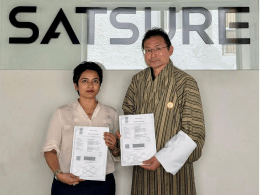
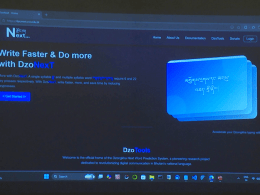
The foray into the digital art market has made an impressive debut, with its first heritage-based non-fungible token (NFT) project selling out within weeks of launch.
Introduced in June this year, the pilot project featured eight digitised artefacts inspired by the nation’s centuries-old cultural heritage. Priced between Nu 60,000 and Nu 150,000, all pieces were purchased by overseas collectors through OpenSea, one of the world’s largest NFT marketplaces. The sales generated more than Nu 1 million in revenue.
The artworks were created by young Bhutanese artists who, for many, were experimenting with NFTs for the first time. They learnt how to digitise artefacts and deploy them on blockchain platforms without outside technical assistance.
Digital artist Juma Lhazey said the initiative showcased how technology could both preserve Bhutan’s heritage and open economic opportunities.
“When used mindfully, technology can help us protect our cultural treasures while unlocking new pathways for Bhutan’s creative industries,” she noted.
Fellow artist Jigme Dorji Tobgyal emphasised the global reach NFTs offer.
“Bhutanese artists can now sell their creations worldwide. As their value grows, it benefits the economy while shining a light on our culture and traditions,” he said.
Encouraged by the pilot’s success, organisers plan to expand the collection to include ritual objects, thangkas, manuscripts, and textiles from the National Museum in Paro, the Royal Heritage Museum in Trongsa, and the Textile Museum in Thimphu.
Kinley Wangmo, assistant conservator with the Museum Division under the Ministry of Home Affairs, said the project’s impact goes beyond sales.
“NFTs can be powerful tools for cultural preservation, engagement, and revenue generation. This opens up opportunities for youth involvement, cross-border cultural exchange, and sustainable funding for museums,” she explained.
Proceeds from the sales will be shared between the contributing artists and the government, with the latter’s portion earmarked for museum improvements and conservation programmes.
As Bhutan positions itself as an emerging player in the global Web3 space, the project has demonstrated that the country’s timeless traditions can find new life — and new audiences — in the digital realm.