


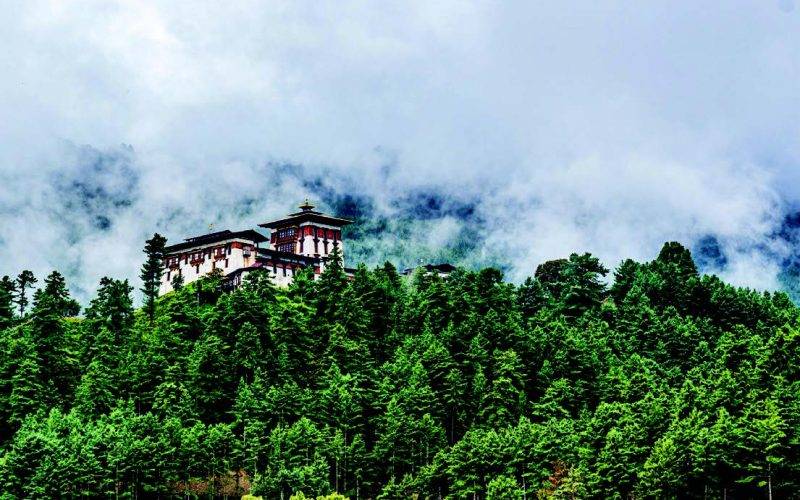
Luxury in Bhutan does not announce itself—it reveals itself gradually, like morning light lifting off a Himalayan valley. For decades, the kingdom has been synonymous with exclusivity, its carefully controlled tourism policy ensuring that visitors arrive not in crowds, but in measured numbers. Yet what is emerging today is not simply exclusivity, but a quiet revolution in how luxury is understood—one that privileges stillness, authenticity, and connection over spectacle.
Across Paro, Punakha, and the forested hills beyond Thimphu, a new generation of lodges has taken root. These are not ostentatious properties competing for attention, but refined sanctuaries that seem to belong to the landscape rather than occupy it. Built with rammed earth, hand-carved wood, and traditional Bhutanese motifs, they echo centuries-old architectural traditions while offering contemporary comfort. Rooms open onto sweeping views of terraced fields, winding rivers, and distant monasteries, dissolving the boundary between interior space and the natural world. Even the smallest details—woven textiles, hand-painted beams, low-burning fires—contribute to an atmosphere that feels both intimate and expansive.
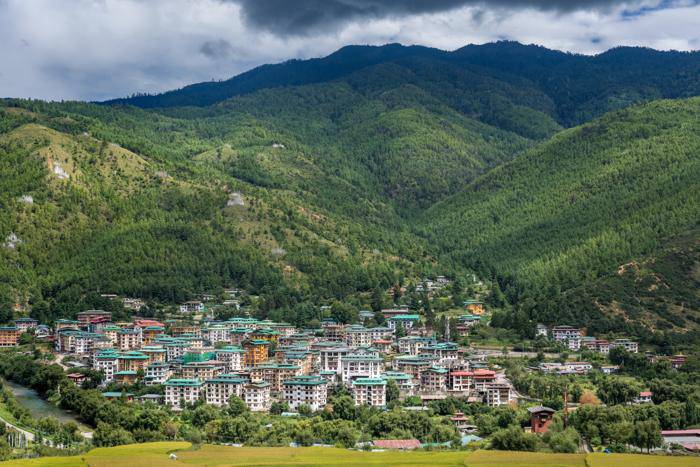
Yet Bhutan’s luxury is not defined by aesthetics alone. It lies in the experience of time itself. Days unfold slowly, resisting the urgency that defines much of modern travel. Travellers are not rushed from one highlight to another but encouraged to linger, to observe, to absorb. A morning might begin with a hike through pine forests, the air scented with resin and damp earth, leading to a monastery perched improbably on a cliff. The ascent is unhurried, shaped by altitude and breath, punctuated by the quiet flutter of prayer flags carrying mantras into the wind.
Encounters here are rarely staged. A visitor may find themselves seated in a farmhouse kitchen, watching chillies laid out to dry on rooftops while butter tea is poured with easy generosity. Conversations drift between gestures and laughter, often requiring no shared language. In monasteries, monks offer blessings without ceremony, their chants resonating through dimly lit halls where time feels suspended. These are not curated experiences designed for visitors—they are glimpses into a living culture that continues undisturbed.
Wellness, too, takes on a distinctly Bhutanese dimension. The traditional hot stone bath, infused with medicinal herbs and heated river stones, is less indulgence than ritual—a quiet act of cleansing that soothes both body and mind. There is no rush to leave, no schedule to follow, only the gentle passage of time.
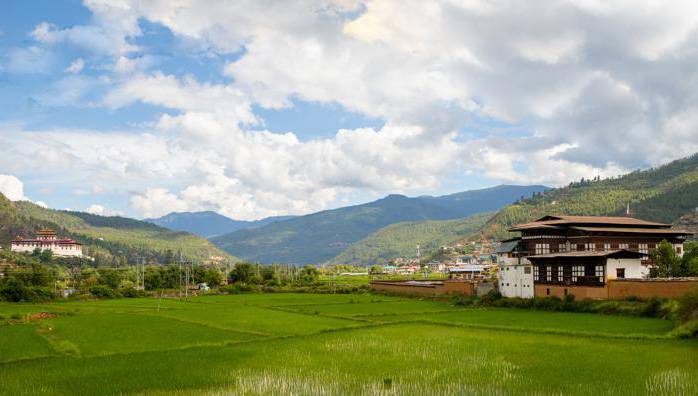
Sustainability is not an added feature here; it is a guiding principle. Many lodges operate with minimal environmental impact, sourcing ingredients locally, employing staff from nearby communities, and maintaining a deep respect for the land. Luxury is not imposed upon the landscape—it grows organically from it.
In a global travel culture often driven by speed, status, and spectacle, Bhutan offers something quietly radical: the luxury of stillness. It invites travellers not to consume a destination, but to experience it fully—to slow down, to listen, and to reconnect. In doing so, Bhutan is not merely redefining luxury; it is restoring its meaning.


