


According to a recent New York Times report, the Iran war is starting to expose fresh weaknesses in China’s economy, turning what initially looked like a manageable external shock into a broader test of Beijing’s growth model. Rising oil and natural-gas prices are pushing up costs for households and factories just as consumer demand remains soft, leaving China squeezed from both sides.
For weeks, Chinese policymakers seemed to be absorbing the blow. Strategic reserves, state-controlled energy pricing, and heavy investment in renewable power helped cushion the first wave of disruption, and some economists even argued that higher energy prices could briefly ease deflationary pressure. But as the war stretched into its ninth week, that insulation began to thin, and the strain became easier to see in day-to-day economic data.
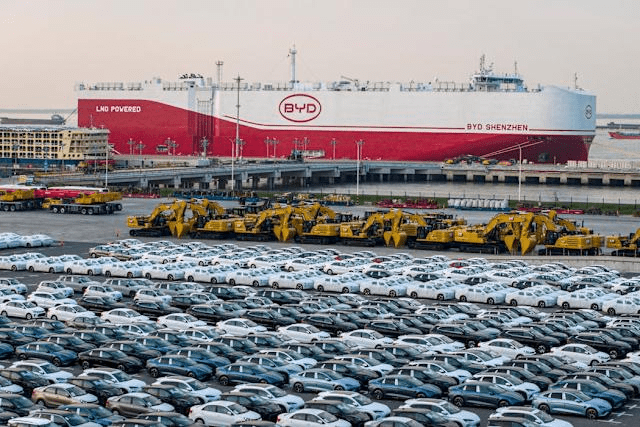
The clearest warning sign is the auto sector, which often acts as an early gauge of consumer confidence. Domestic car sales fell sharply in March and slid further in April, with Reuters reporting a 15.2 percent year-over-year drop in domestic sales last month. The weakness matters because vehicle purchases are one of the biggest household expenses in China and a major driver of steel, glass, and parts demand.
Other consumer-facing industries are also feeling the squeeze. Restaurants and hotels are seeing fewer customers as families grow more cautious, while industrial supply chains are under pressure from higher input costs. In southern China, thousands of toy factory workers protested after their employer collapsed under rising plastic costs and existing U.S. tariffs, a sign that the shock is hitting manufacturing as well as consumption.
China’s export engine is not immune either. The war has helped slow momentum in key overseas markets, and analysts say that weaker global demand could blunt one of Beijing’s main growth supports this year. That is especially troubling because exports had been offsetting soft domestic spending; if both engines weaken at once, growth becomes harder to defend.
The broader question is whether China can still hit its official growth target. Alicia García-Herrero, chief economist for Asia-Pacific at Natixis, said the economy is “slowing,” warning that China may struggle to reach 4.5 percent growth this year. That would not amount to a crisis, but it would deepen concern that China’s recovery remains fragile and uneven.
For Beijing, the war poses an uncomfortable paradox. Higher energy prices can temporarily lift factory-gate prices and reduce deflation, but they also raise costs for consumers, manufacturers, and exporters at a moment when confidence is already weak. The result is a harder balancing act for policymakers: support demand without adding more fuel to an economy already under pressure.
At this stage, the war has not broken China’s economy. It has, however, revealed how little margin for error remains.


