


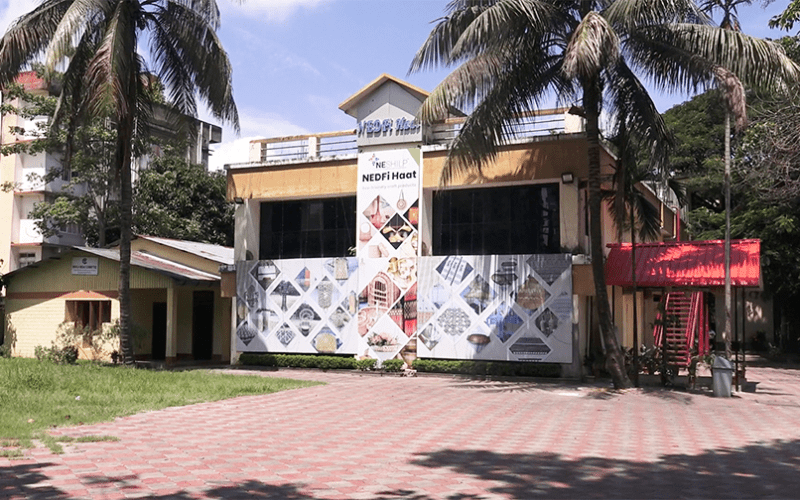
In a strategic move to deepen economic ties with India and strengthen its export potential, Bhutan has inaugurated a new trade outlet in the heart of Guwahati. The launch signals a fresh chapter in Bhutan’s push to promote its certified products and elevate its international trade footprint, particularly in the Northeast region of India.
The new Bhutan Outlet, located at the bustling NEDFi Haat—a popular marketplace for regional crafts and artisanal goods—presents a curated selection of 51 Bhutanese products. From organic agri-food items to traditional textiles and wellness products, the outlet offers Indian consumers a rare glimpse into the authenticity and craftsmanship of Bhutan.
The initiative is a collaborative effort between Bhutan’s Regional Agriculture Marketing and Cooperatives Office (RAMCO) in Gelephu and the North Eastern Development Finance Corporation Ltd. (NEDFi). The venture aligns with Bhutan’s broader economic goal of becoming a high-income country as outlined in its 13th Five-Year Plan.
“This outlet is more than just a store—it’s a gateway,” said Tashi Dorji, Director of the Department of Agricultural Marketing and Cooperatives (DAMC), Ministry of Agriculture and Livestock. “It opens up the Indian market, particularly in the Northeast, to Bhutanese cooperatives, entrepreneurs, and producers. Our shared history and cultural ties with the region make this a natural step forward.”

Bhutanese products featured in the outlet are strictly certified and labeled “Made in Bhutan,” ensuring quality and authenticity. In keeping with Bhutanese policies, only non-alcoholic goods are permitted, and transactions are conducted exclusively in Indian Rupees.
The operational model is uniquely structured: while local Indian teams manage the showroom and on-site marketing, the B-Coop Shop in Gelephu handles product certification, sourcing, and logistics. This setup enables Bhutanese suppliers to participate without maintaining a constant physical presence at the outlet.
“It’s our first venture into this model, so there’s still some uncertainty,” admitted Pema Namgyel, owner of the B-Coop Shop. “But we’ve already supplied products worth Nu 300,000. The early signs are promising.”
Ramheube E. Zeliang, General Manager of NEDFi, expressed confidence in the appeal of Bhutanese goods: “Bhutanese products are seen as authentic and distinctive. Their presence will not only enrich the offering at NEDFi Haat but also raise the profile of regional trade.”
With plans underway to replicate this model in other Indian cities, officials hope the outlet will become a blueprint for future cross-border trade efforts. It also supports Bhutan’s ambition of achieving Nu 6 billion in agri-food exports—a target that hinges on innovative market access like this.
As Bhutanese items begin to line shelves outside its borders, the Guwahati outlet may serve as the first of many bridges connecting the kingdom’s economy with a wider global market.


